Shopping for concrete and masonry equipment in Burlington, NC usually starts with a simple question: rent, buy, or hire it out? Local suppliers stock everything from mason's trowels and rebar to saws, mixers, and CMU block, and national rental chains have a Burlington-area location stocked with the same gear contractors use daily. This guide breaks down what's available, how to size up rent-versus-buy decisions, and why a growing number of Alamance County homeowners skip the rental counter entirely once they price out the labor.
Visit Boswell Brothers Ltd. to see our services and request a free estimate.
Concrete & Masonry Supplies Available in Burlington, NC
Local supply counters serving Burlington carry a catalog built for both weekend projects and commercial jobsites: hand tools, forms, sealers, decorative stamps, and structural rebar all under one roof. Knowing what falls into each category makes it easier to source the right materials without guessing or over-buying.
Masonry Supplies
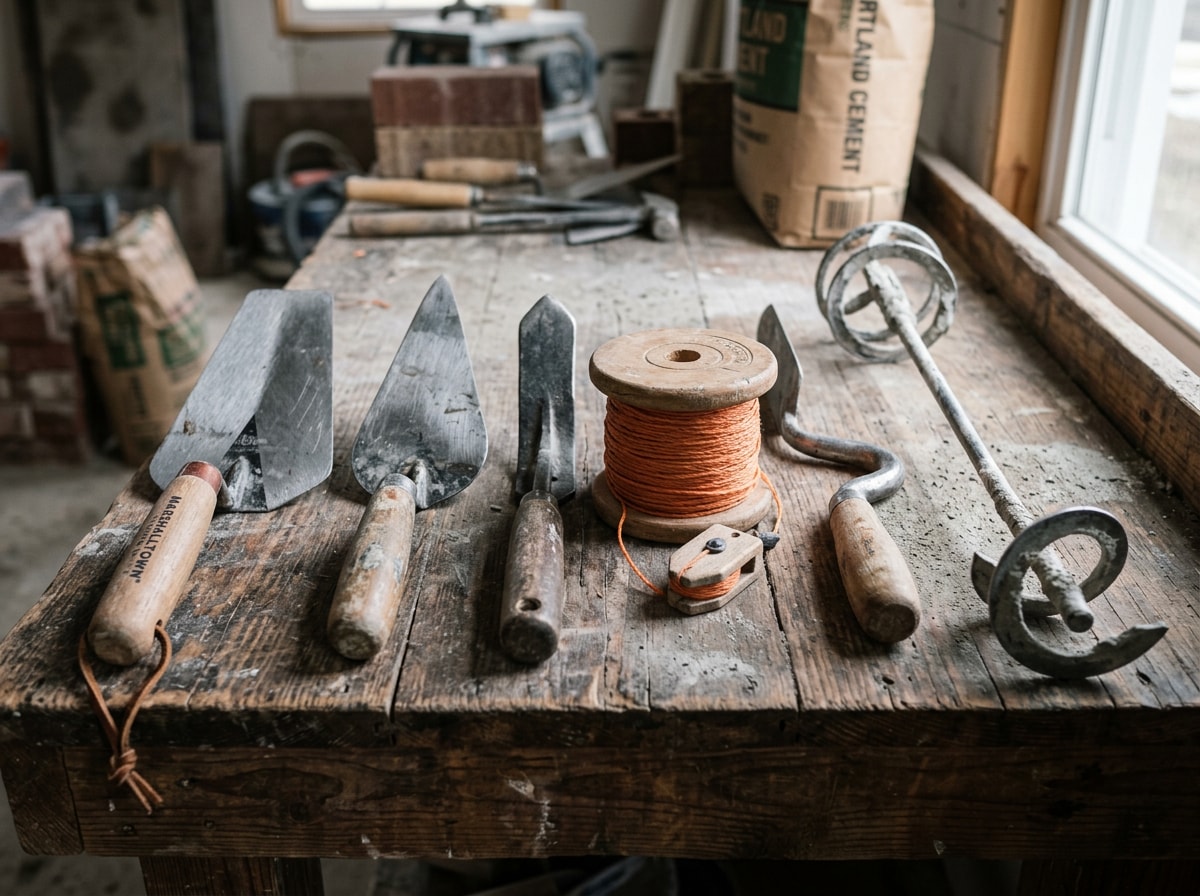
Masonry supplies cover the everyday hand tools bricklayers and block setters use on nearly every job: trowels, mason's line, jointers, and mixing paddles. Buying locally in Burlington beats ordering online when a mason needs a replacement tool mid-job or wants to check a trowel's weight and balance before committing.
Local supply counters also tend to stock brands that regional mason contractors already trust, which saves research time versus unfamiliar online listings. For a homeowner tackling a small patch or veneer repair, a local shop can explain which tools actually matter for the scope of the project instead of selling a full professional kit that's overkill for one weekend.
Rebar
Rebar is the steel skeleton inside reinforced concrete and masonry that resists tension forces concrete alone can't handle. Without it, slabs, footings, and block walls are far more likely to crack or fail under load, especially in freeze-thaw conditions or where soil movement is common, which makes correct placement a core part of any concrete footings job. (Use the token exactly, see note below.)
Selecting the right rebar isn't just about size. Grade matters too: bars come in four minimum yield strength levels, 40,000, 60,000, 75,000, and 80,000 psi, designated as Grade 40, Grade 60, Grade 75, and Grade 80 respectively , and that grade affects how much reinforcement a given structure actually needs. A DIYer pouring a small walkway has very different requirements than a contractor pouring a commercial foundation, and using the wrong grade or spacing creates a real structural risk, not just a cosmetic one.
The ASTM A615 specification defines the grading system suppliers and engineers use nationwide, so it's worth asking a supplier which grade matches your specific application before buying. Getting this detail wrong is one of the more common, and costly, mistakes on reinforced concrete projects. Our concrete rebar guide for Chapel Hill covers fabrication and repair in more depth if you're planning a reinforced slab or wall.
Concrete Stamps, Liners & Molds
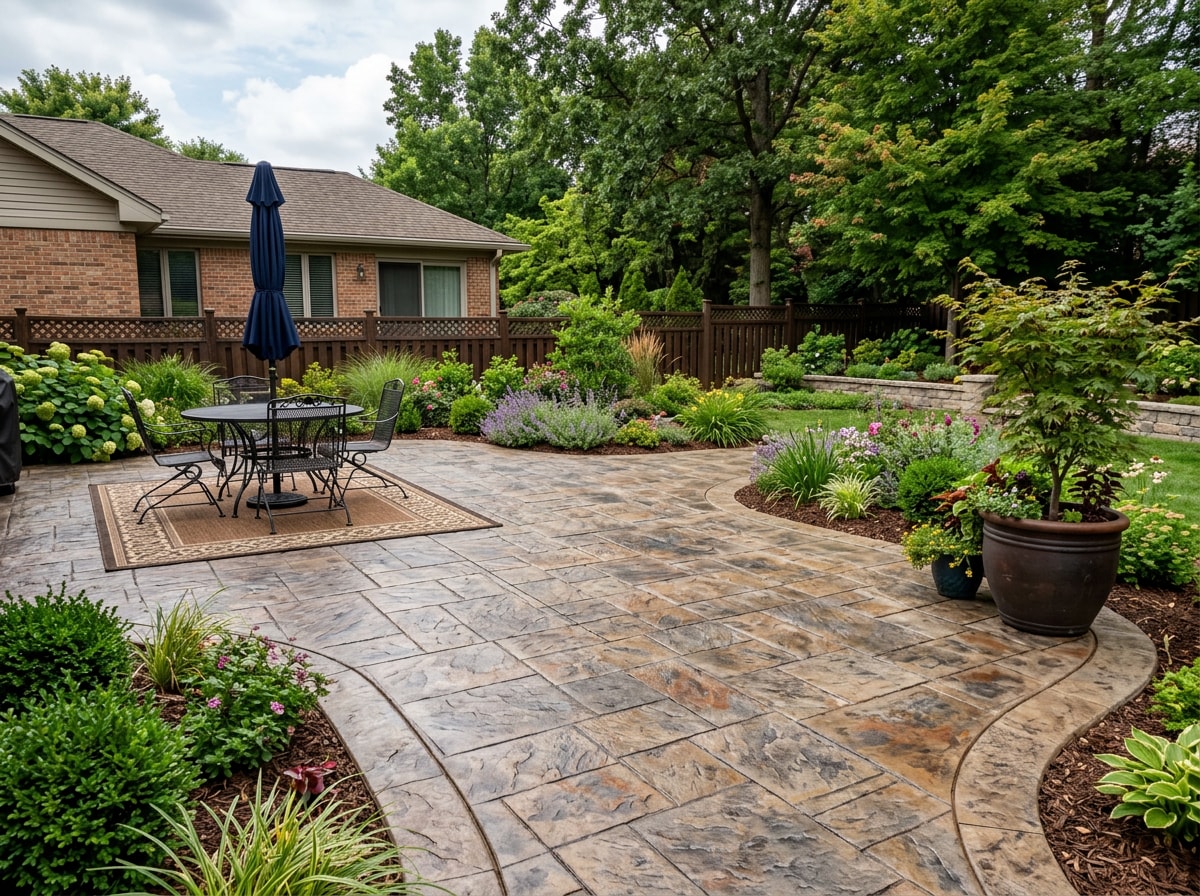
Concrete stamps, liners, and molds are the tools behind decorative finishes, the stone-look patios, brick-pattern driveways, and textured walkways that have become popular alternatives to plain poured slabs. Stamps press a pattern into still-workable concrete, liners create subtler texture, and molds shape individual sections like borders or steps.
The distinction matters for planning: stamps work best on large, continuous slabs, while molds suit smaller accent areas. A local supplier can usually show samples of finished textures before a contractor commits to a pattern, which helps avoid surprises once the concrete has cured. Our stamped concrete team handles this pattern selection as part of every bid, so homeowners don't have to guess from a catalog photo.
Concrete Equipment Categories: Buying vs. Renting
Once materials are sorted, the next decision is equipment, and whether to rent or buy it. National rental chains offer short-term access to specialized machines without the upfront cost, while local equipment dealers sell gear outright for contractors who use it often enough to justify ownership. The right call usually comes down to frequency of use, storage space, and whether the job is a one-time project or ongoing work.
| Equipment Type | Rent If... | Buy If... |
|---|---|---|
| Cement mixer | You're pouring a small pad or post holes once | You mix concrete or mortar weekly or more |
| Concrete saw | You need one or two control-joint cuts | You cut slabs regularly across multiple job sites |
| Core drill | You're setting anchors on a single project | You install anchors or plumbing penetrations often |
| Power trowel | You're finishing one slab and have no storage | You finish multiple slabs per season |
| Plate compactor | You're compacting one sub-base, one time | You prep bases on every job you run |
Mixing & Placing Equipment
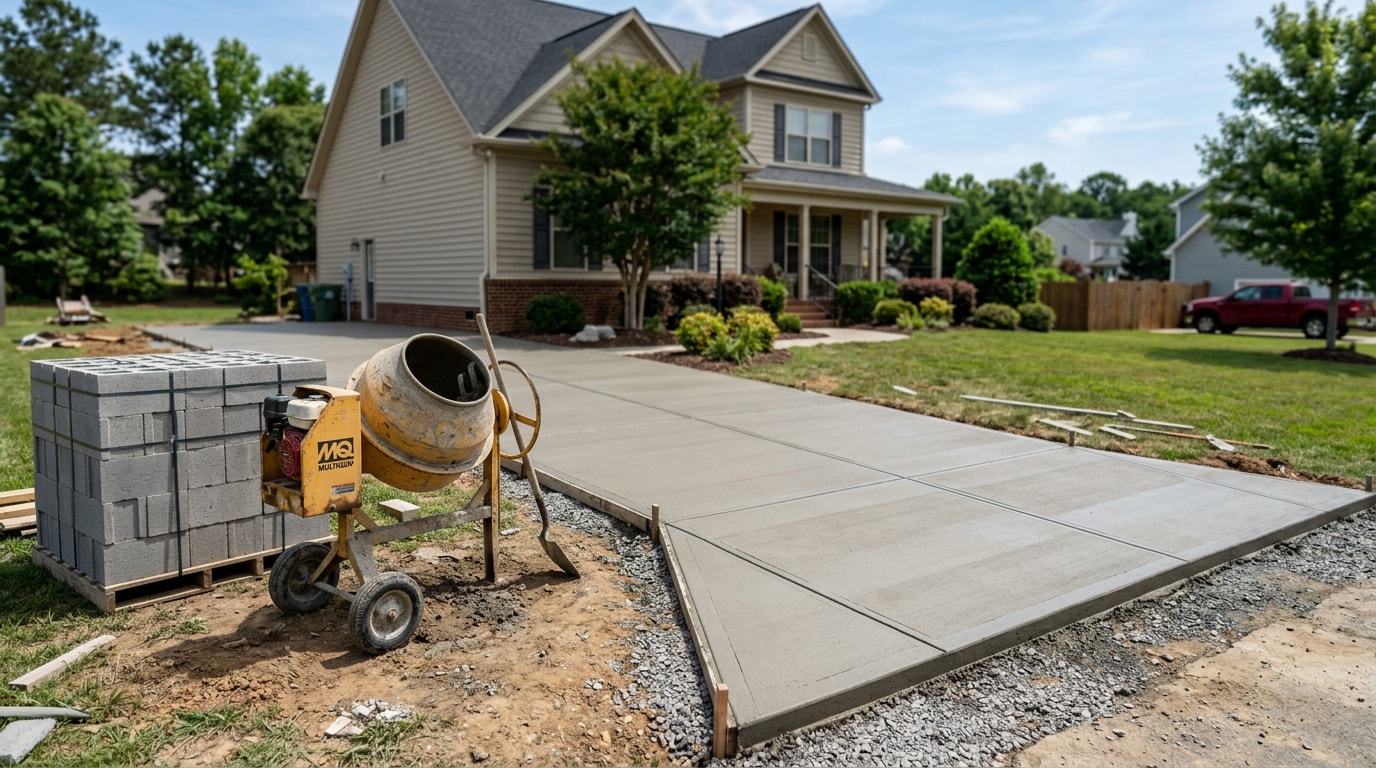
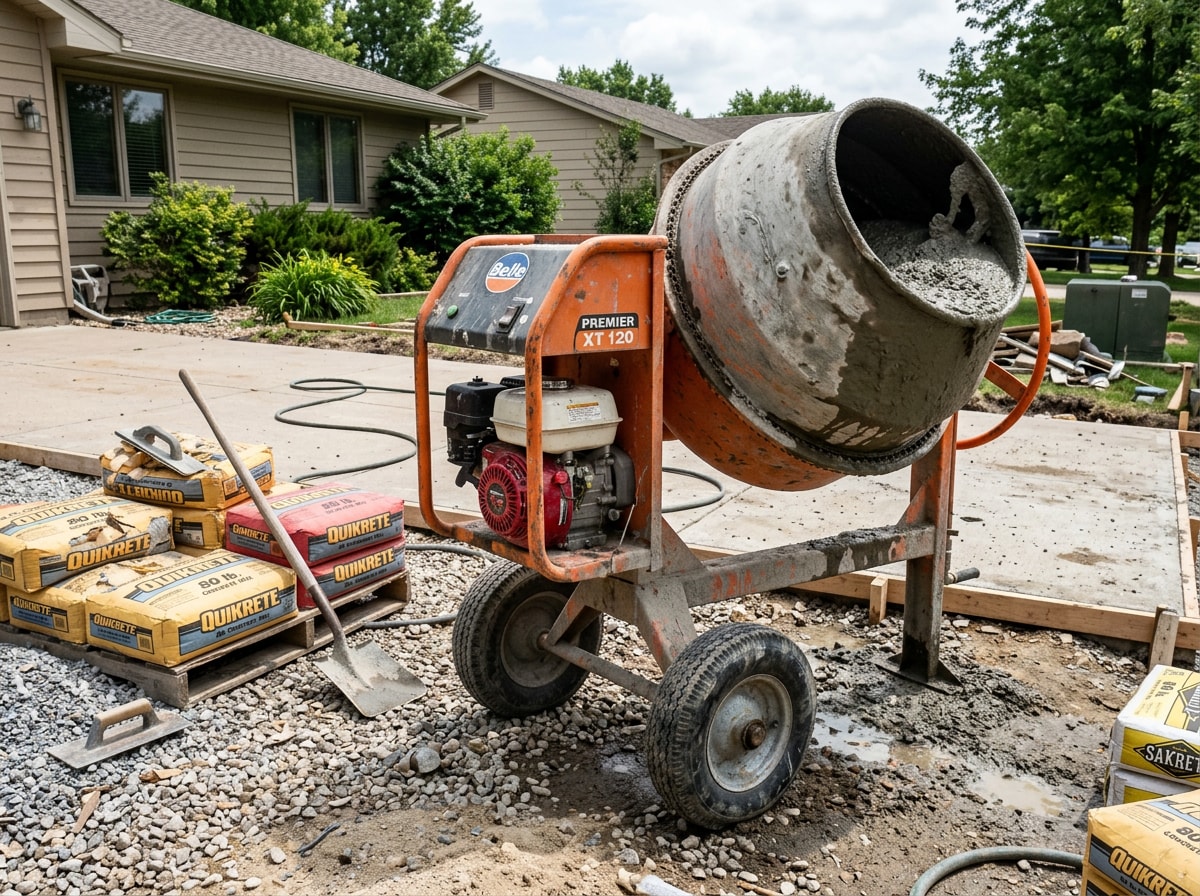
Mixing and placing equipment includes cement mixers, concrete buggies, and vibrators, the machines that get concrete from a mixed state into the forms where it will cure. Cement mixers range from small portable drum models suited to fence posts and small slabs up to towable units for larger pours.
Concrete buggies matter most on sites where a pump truck isn't practical, letting crews move wet concrete across a yard or through a building under construction. Vibrators remove trapped air pockets from poured concrete, which helps prevent honeycombing and weak spots once the slab cures, a detail that matters just as much on a monolithic slab as it does on a footing.
For a homeowner mixing a handful of bags for a small pad, renting a mixer for a day or two almost always makes more financial sense than buying one that sits unused afterward. Contractors running mixers weekly tend to find ownership pays for itself within a season or two.
Cutting & Drilling Equipment
Cutting and drilling equipment includes concrete saws, core drills, and rotary hammers, each suited to a different task. Concrete saws, whether walk-behind or handheld, cut control joints or remove sections of an existing slab. Core drills bore clean, round holes through concrete or masonry, commonly used for plumbing, electrical, or anchor installations.
Rotary hammers handle lighter demolition and drilling work, like setting anchor bolts or breaking out small sections of material. Choosing the wrong tool isn't just inefficient, it can damage the surrounding slab or structure. A core drill isn't a substitute for a saw when a straight-line cut is needed, and a rotary hammer isn't built for cutting through several inches of reinforced slab. Anyone sourcing anchors for this kind of work should check our concrete masonry anchors guide before picking hardware to match the hole.
Renting this type of cutting equipment makes sense for most homeowners and even many contractors, since these machines are expensive to maintain and often sit idle between jobs.
Finishing & Surface Preparation Equipment
Finishing equipment like power trowels and power screeds smooth and level concrete after it's poured, while surface preparation tools like grinders, plate compactors, and demolition hammers handle the work before and after that pour. Each has a specific place in a project's timeline: a plate compactor preps the sub-base, the concrete is poured and leveled with a screed, and once it's firm enough to walk on, a power trowel finishes the surface.
Concrete grinders and saws generate fine silica dust during use, which carries real respiratory health risks over repeated exposure. OSHA's standard requires employers to limit worker exposures to respirable crystalline silica and to take other steps to protect workers , including wet cutting methods and vacuum attachments for anyone operating this equipment regularly. Homeowners renting this gear for a single project should still follow basic dust precautions on a smaller scale.
Plate compactors are worth renting rather than owning for most one-off jobs, since proper compaction only needs to happen once per project phase.
Commercial Products: CMU, Pavers, and Retaining Walls
Beyond rental tools, many Burlington-area contractors source bulk masonry and concrete materials directly from manufacturers rather than general supply stores. These commercial-grade products cover structural block, pavers, retaining wall systems, and veneer, the building blocks for larger commercial and institutional projects.
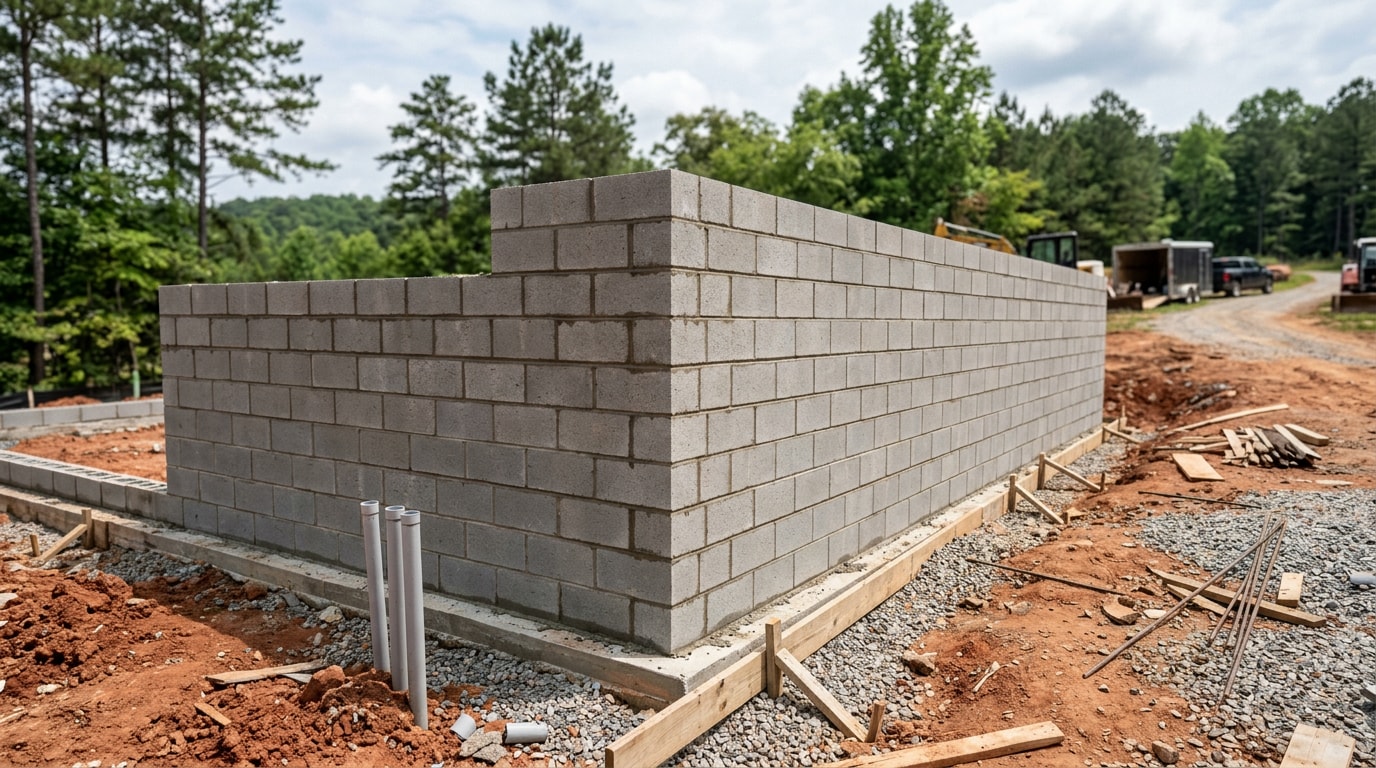
Concrete Masonry Units (CMU) are precast concrete blocks used to build load-bearing and non-load-bearing walls. Standard CMU is the workhorse for most structural walls, architectural CMU adds a decorative face for exposed walls, and lightweight CMU uses a different aggregate mix to reduce weight where handling or structural load limits matter. Our CMU sizes, specs, and costs guide breaks down which option fits which wall. The Concrete Masonry & Hardscapes Association publishes the technical bulletins architects and contractors use to spec these units correctly.
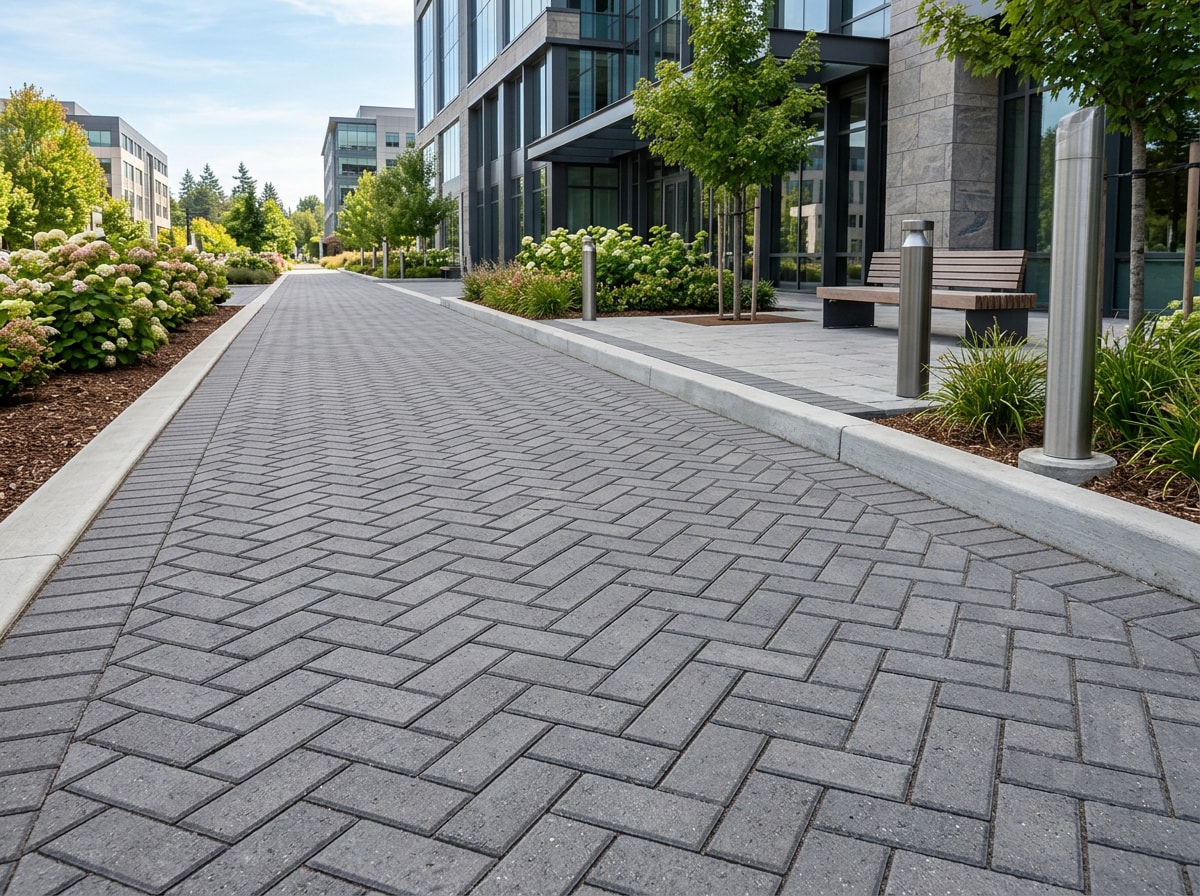
Brick and pavers remain common choices for both façade work and hardscape projects across Burlington, from traditional clay brick veneer to concrete pavers used in patios, walkways, and driveways. Pavers have grown popular for commercial hardscapes because they're easier to repair in sections than a poured slab. Material choice usually comes down to the look a project calls for and the budget available, since brick costs more upfront than concrete pavers but offers a different longevity profile.
Segmental retaining wall systems use interlocking concrete units stacked without mortar, relying on their shape, weight, and proper backfill and drainage to hold back soil. They're popular partly because they don't require specialized masonry skills the way a mortared stone wall would, though taller walls still need engineered design to handle soil pressure safely.
Manufactured stone veneer gives the appearance of natural stone at a fraction of the weight, since it's cast from concrete and pigmented to mimic stone texture and color. That lighter weight means it can go over standard wall framing without the structural reinforcement natural stone usually requires, which is why it's a common choice for fireplace surrounds and entryway accents.
Residential Products for Smaller Projects
Homeowners working on smaller projects typically need a different scale of product than commercial contractors: bagged concrete mix and mortar, smaller-format pavers for patios or walkways, and residential-sized retaining wall block sized for DIY installation rather than crane-assisted commercial builds.
These products are packaged and priced for project sizes measured in square feet rather than acres, which also means lower minimum order quantities. A homeowner planning a backyard patio or short garden wall can typically source everything needed in one trip.
Why Burlington Homeowners Often Skip the Rental Counter
Here's the part most equipment guides leave out: renting the right saw or mixer solves the tool problem, not the project problem. We've picked up more than a few Burlington jobs where a homeowner rented a plate compactor and a screed for a weekend, found out the sub-base wasn't compacted evenly, and ended up paying us to break out and repour the slab anyway. The equipment worked fine. The result didn't, because getting a flat, properly jointed, properly reinforced slab takes more than having the right machine for a day.
That's not a knock on renting; it's genuinely the right call for a fence post or a small patch. But for driveways, patios, footings, and anything load-bearing, the labor and judgment behind the tool usually matter more than the tool itself. If you're weighing a weekend rental against a quote, it costs nothing to get a free estimate first and compare the real numbers.
Hiring a Licensed Concrete or Masonry Contractor in Burlington
Equipment and materials are only half the equation. Most projects also involve hiring someone who knows how to use them correctly.
The concrete trade generally covers cast-in-place work, foundations, slabs, sidewalks, and driveways, along with finishing and ready-mix coordination. A concrete contractor handling a Burlington project typically manages everything from formwork and rebar placement through the final finish. Masonry work covers block, brick, and stone construction, from foundation walls to decorative façade features.
If a project is valued at $40,000 or more, the general contractor must have a license issued by the state. It's the law . The North Carolina Licensing Board for General Contractors lets homeowners verify a license before signing anything, which is worth doing before hiring any mason or concrete crew found through word of mouth or online listings. Our team serves the Burlington, NC area directly, and you can see more on how flatwork, foundations, and hardscapes come together in our flatwork concrete guide for Burlington.
FAQ
How can I find and connect with concrete and masonry contractors in Burlington, NC?
Start by checking that any contractor holds the appropriate North Carolina license for the project's scope and size. From there, request quotes from at least two or three contractors who specialize in the specific trade needed, since cast-in-place concrete and block or stone masonry aren't always handled by the same crew. Ask for references from similar completed projects and confirm current liability insurance before signing anything.
Is it cheaper to rent concrete equipment or hire a contractor in Burlington?
For small, one-time jobs like a fence post or a patch repair, renting is usually cheaper. For driveways, patios, footings, or anything load-bearing, hiring a contractor is usually cheaper once you account for redo costs, since improper sub-base prep or finishing almost always costs more to fix than it would have cost to do right the first time.
Do I need a license to do masonry or concrete work in North Carolina?
Yes, if the total project value is $40,000 or more, the contractor must hold a state license. Smaller jobs don't legally require a license, but checking a contractor's status through the state licensing board is still a smart step before hiring.
What rebar grade do I need for a residential driveway or patio slab?
Most residential flatwork uses Grade 60 rebar, which balances strength and workability for typical slab thicknesses. Commercial or structural applications sometimes call for higher grades; a supplier or engineer can confirm the right spec for your specific load and soil conditions.
Should I rent or buy a concrete mixer for a one-time project?
Rent it. A portable mixer rental for a day or two almost always costs less than buying a unit you'll use once and then have to store, maintain, and eventually dispose of.
What's the difference between standard, architectural, and lightweight CMU block?
Standard CMU is used for most structural walls, architectural CMU adds a decorative face finish for walls that stay exposed, and lightweight CMU uses a different aggregate mix to reduce weight where handling or load limits are a concern.