Paving and concrete Chapel Hill, NC projects fail for one reason more than any other: the crew skipped the ground underneath the slab. Orange County's red clay shifts with every wet season, and a driveway or patio poured without proper prep will crack long before its warranty runs out. This guide breaks down what actually holds up here, what it costs, and which service you need for your project.
Why Concrete Outperforms Asphalt for Most Chapel Hill Properties
Homeowners searching for paving and concrete Chapel Hill, NC contractors are usually comparing two materials: asphalt and concrete. Asphalt is cheaper to install and flexes well with ground movement, but it needs sealcoating every two to three years and rarely passes 20 years of service. Concrete costs more upfront, holds a sharper edge for driveways and patios, and — when the base and mix are done right — outlasts asphalt by a decade or more.
For most residential work in Chapel Hill, that trade-off favors concrete. Driveways, patios, sidewalks, and parking pads all benefit from a material that doesn't need re-striping or annual sealing to look presentable. Our concrete contractor services cover the full range homeowners and property managers ask for.
Concrete Driveways, Patios & Walkways
Flatwork is the most requested service in this market, and it breaks down into a few distinct project types:
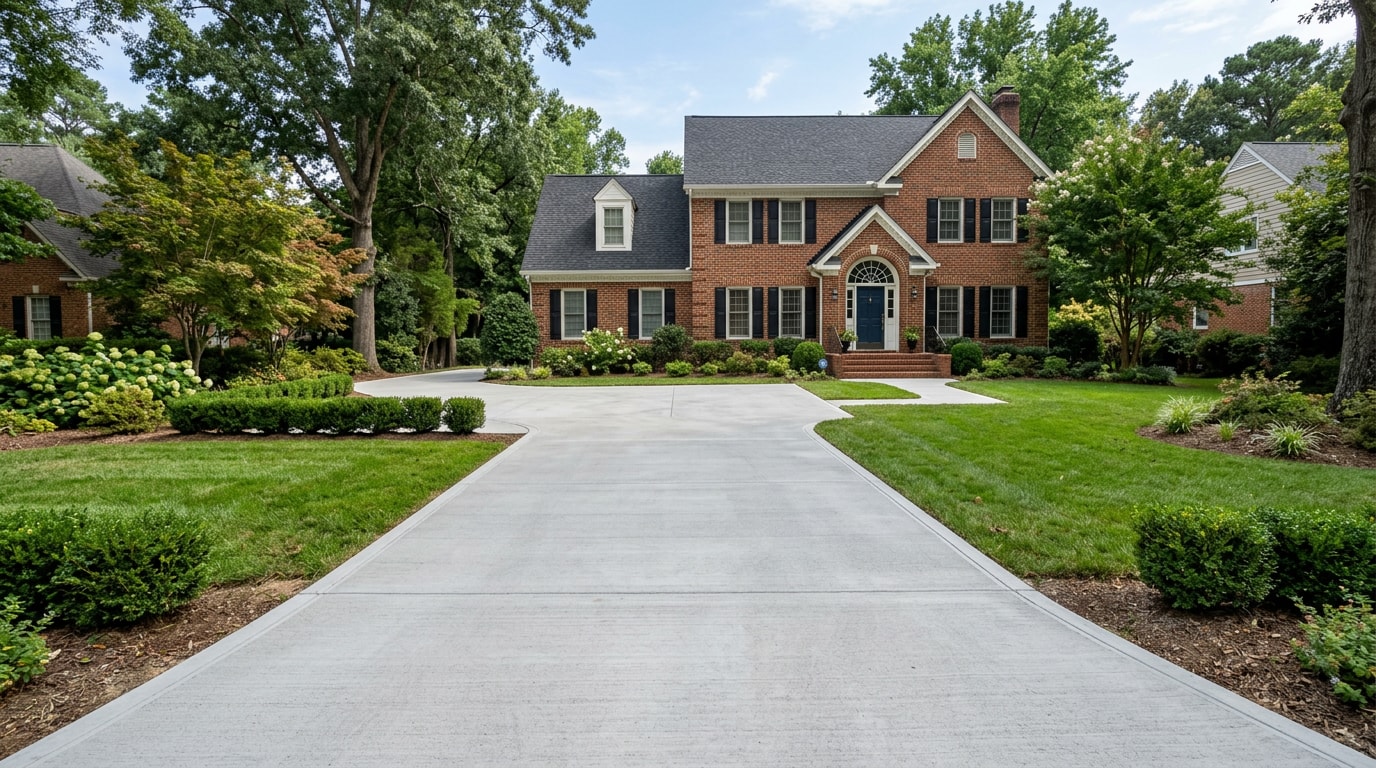
- Concrete driveways — new pours, replacements, and reinforced slabs built to handle daily vehicle loads. See our concrete driveway installation work.
- Concrete patios — sized and finished for outdoor living, from simple broom-finish pads to decorative options. Details are on our concrete patios page.
- Stamped concrete — patterned and colored to mimic stone or brick at a fraction of the cost. Our stamped concrete crews handle base prep through final sealing.
- Concrete sidewalks — code-compliant walkways for residential and commercial frontage, covered under concrete sidewalks.
- Monolithic slabs — single-pour foundations for garages, shops, and additions, detailed on our monolithic slabs page.
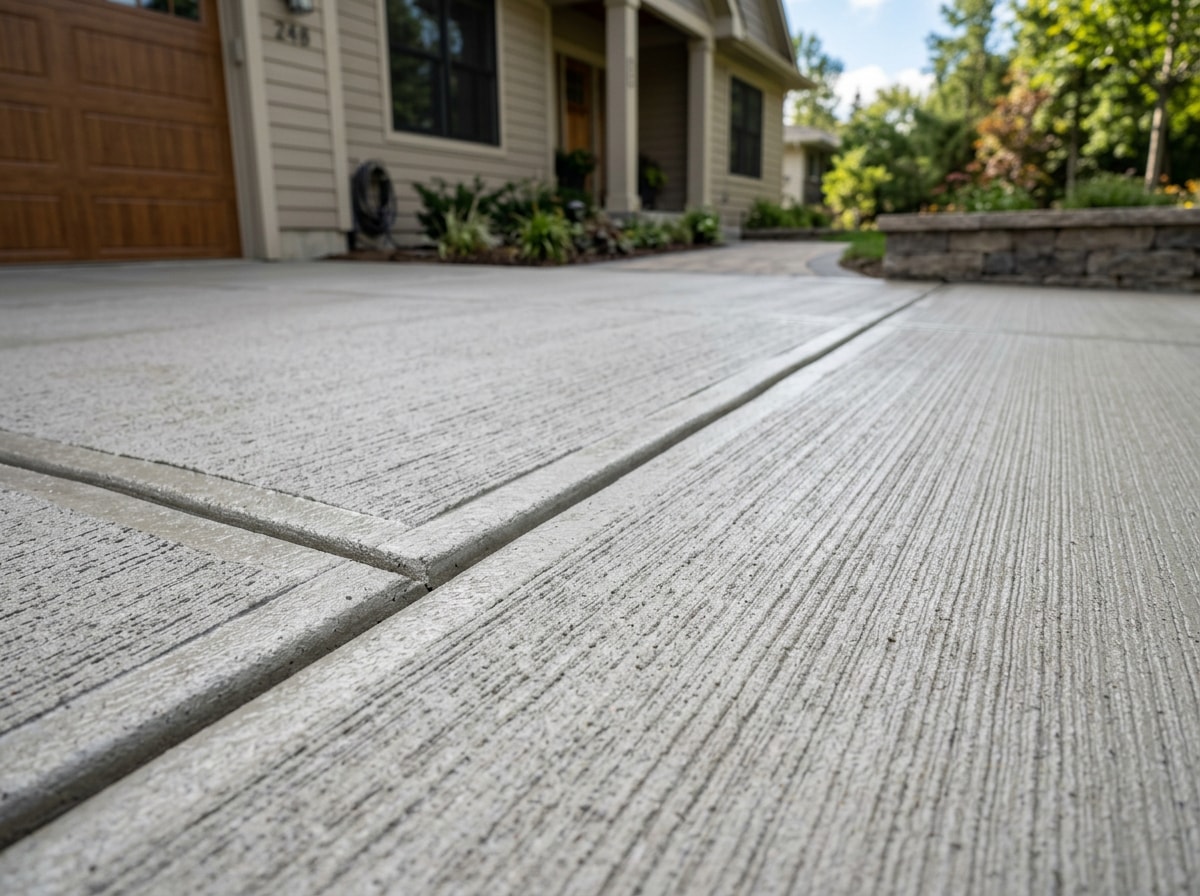
Site Prep and Foundation Work: Why Chapel Hill's Clay Soil Changes Your Plan
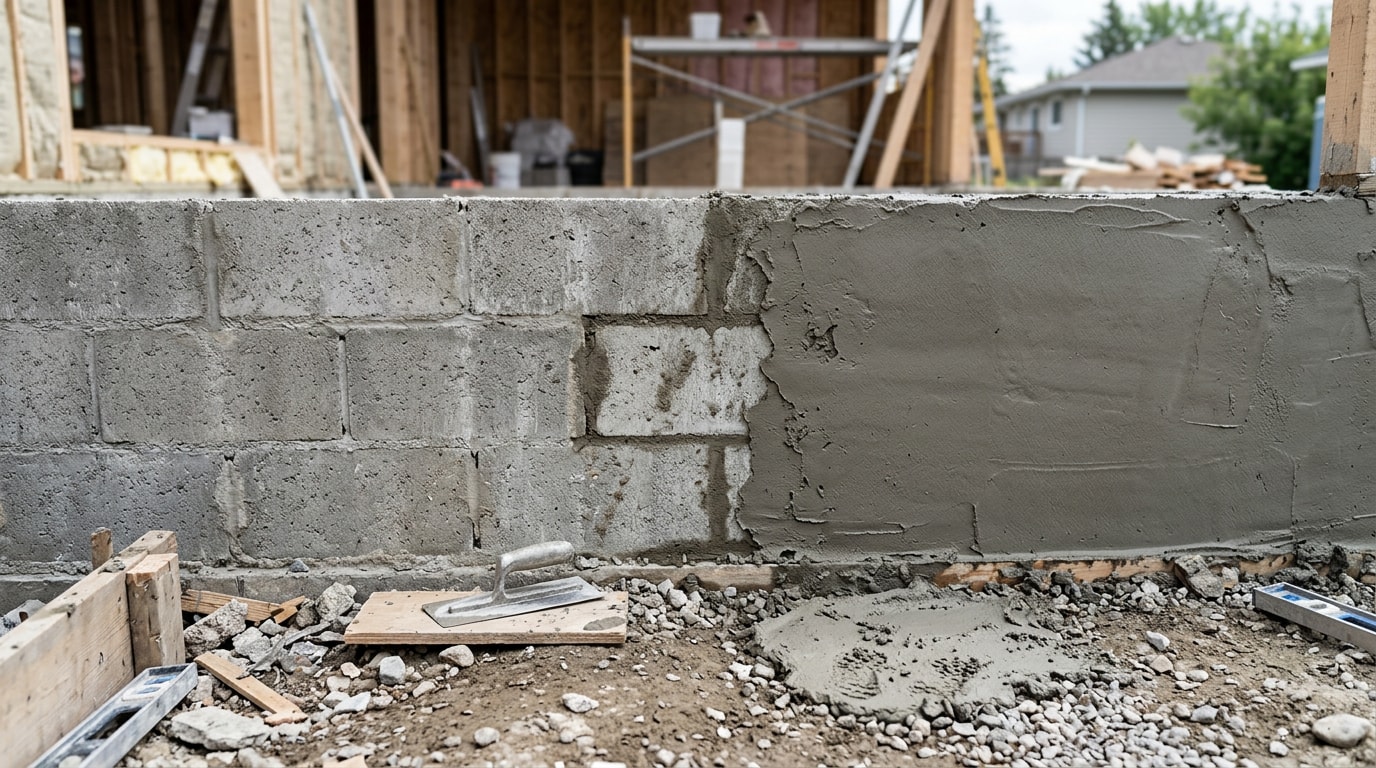
This is the part most paving companies skip past, and it's where projects actually go wrong. Expansive soils can occur in almost any location in the Mountains, Piedmont, and Coastal Plain of North Carolina, and some areas tend to have an elevated occurrence due to the geology. Chapel Hill sits squarely in that Piedmont belt, and the red clay underneath most lots swells when it's wet and shrinks when it's dry.
That movement is exactly why our own crews start every stamped concrete and driveway project with base compaction first. On our stamped concrete work, we've noted that the Piedmont region's red clay soil shifts with moisture and seasonal freeze-thaw cycles, and a solid, compacted base is what keeps the finished slab level over time. Skip that step and you'll see cracking, settling, or heaving within a few winters, no matter how good the concrete mix is.
Related services worth understanding before you get a quote:
- Site preparation — clearing, compaction, and base rock before any pour.
- Grading services — correcting slope so water drains away from the slab instead of pooling on it.
- Concrete footings — the load-bearing base for structures, additions, and retaining features.
- Foundation installation and foundation repair for full structural work.
For reference, North Carolina's residential code sets footing depth and thickness minimums specifically to keep foundations below the frost line and clear of shifting topsoil, which matters just as much for a poured slab as it does for a house foundation.
ADA-Compliant Concrete for Commercial Properties
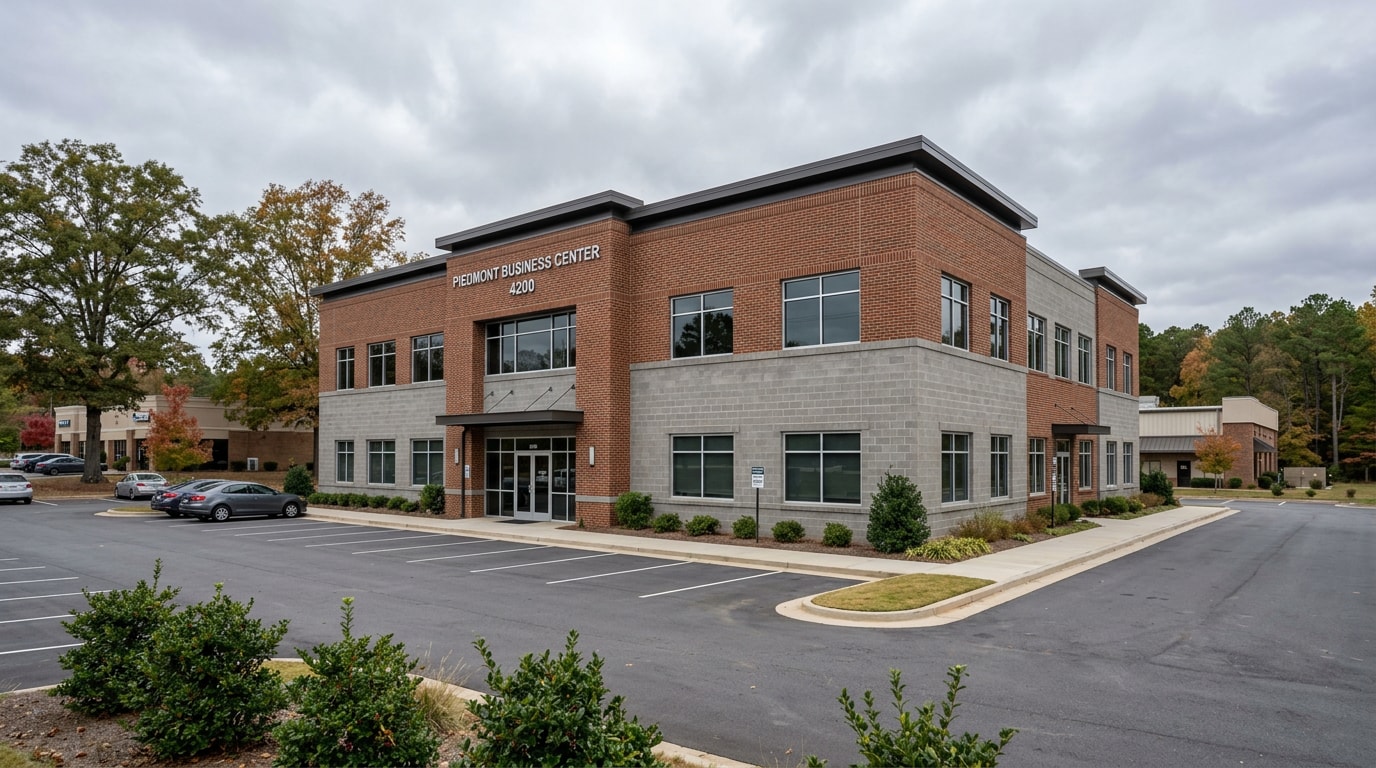
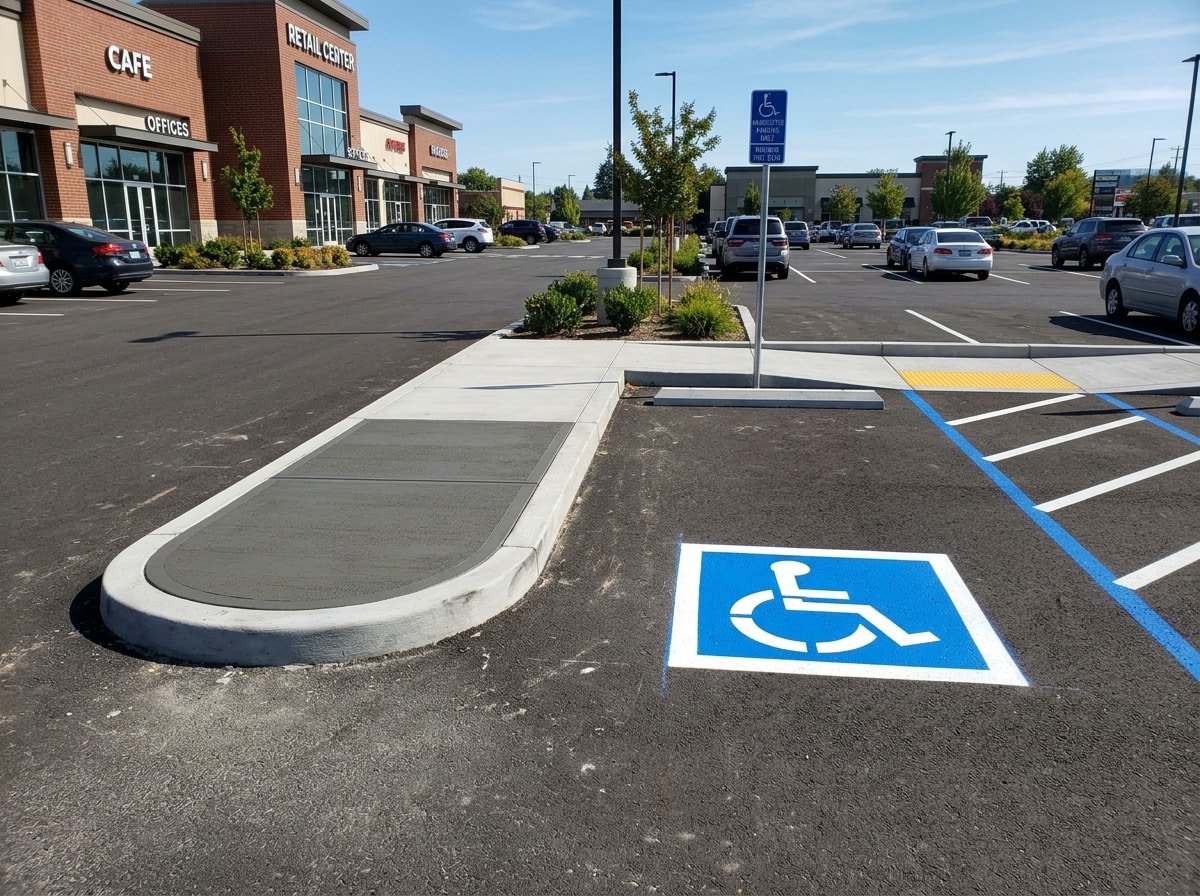
Businesses along Franklin Street and the surrounding commercial corridors need parking, ramps, and walkways that meet federal accessibility rules, not just local code. One of six accessible parking spaces, but always at least one, must be van-accessible under the 2010 ADA Standards. Curb ramps, aisle widths, and slope tolerances are equally specific, and getting them wrong after construction means tearing out concrete you already paid for.
If you're managing a commercial lot or storefront upgrade, our commercial construction team coordinates the concrete, grading, and layout work together so ADA compliance is built in from the first pour rather than corrected afterward.
Concrete vs. Asphalt: Life Expectancy and Maintenance
| Factor | Asphalt | Concrete |
|---|---|---|
| Typical installed cost | Lower per sq ft | Higher per sq ft |
| Typical lifespan | 15–20 years | 25–30+ years with proper base and mix |
| Climate fit | Flexible, tolerates minor ground movement | Rigid; needs air-entrained mix for freeze-thaw resistance |
| Maintenance interval | Sealcoat every 2–3 years | Reseal every 3–5 years |
| Repair visibility | Patches blend in easily | Cracks and patches are more visible |
The industry standard for concrete exposed to freeze-thaw cycles and deicing chemicals calls for a specific air content built into the mix. The industry standard for entrained air content in exterior concrete flatwork subject to freeze-thaw cycles and exposure to deicing chemicals is 6%, per ASTM C260. Skip that admixture and even a thick, well-poured slab can scale and spall after a handful of hard winters.
Maintenance That Actually Extends Service Life
Concrete failure almost always starts small. Catching it early is cheaper than any alternative:
- Reseal exposed concrete every 3–5 years to block moisture intrusion.
- Fill hairline cracks as soon as they appear, before water and freeze-thaw cycles widen them.
- Keep gutters and downspouts directing water away from slab edges.
- Avoid rock salt on new concrete; use sand or a concrete-safe deicer instead.
- Schedule a grading check if you notice water pooling against a driveway or patio edge.
For a deeper look at how flatwork holds up under Piedmont conditions, our flatwork concrete guide for Burlington, NC covers driveway, patio, and slab installation in the same soil and climate zone as Chapel Hill.
Get a Local Estimate Before You Commit
Every property on Franklin Street, in Southern Village, or out toward Fearrington Village has different soil, drainage, and access conditions. A generic online quote can't account for that. Get a free estimate from a crew that already works in this market, or start at our homepage to see the full scope of services. We also serve nearby Chapel Hill, NC neighborhoods and surrounding towns.
FAQ
How much does paving and concrete work cost in Chapel Hill, NC?
Concrete driveways typically run higher per square foot than asphalt, with the difference driven mainly by mix design, slab thickness, and site prep. Sloped or clay-heavy lots add grading and compaction costs that flat, stable lots don't need. Get an on-site estimate for an accurate number, since square-footage-only quotes rarely hold up once a crew sees the actual ground conditions.
Is concrete or asphalt better for a Chapel Hill driveway?
Concrete generally lasts longer and needs less frequent maintenance, making it the better long-term choice for most residential driveways here. Asphalt costs less upfront and can be a reasonable choice for larger commercial lots where initial budget matters more than 20-plus-year lifespan.
How often should I reseal a concrete driveway or patio?
Reseal every three to five years, or sooner if you notice the surface losing its sheen or absorbing water instead of shedding it. High-traffic driveways and stamped concrete with color hardener often need attention on the shorter end of that range.
Should I repair or replace a cracked concrete slab?
Small, isolated cracks can usually be filled and sealed without replacing the whole slab. Widespread cracking, uneven settling, or cracks that keep reopening after repair point to a base or drainage problem that filling alone won't fix, and that usually means replacement.
Do I need a permit for a new driveway or patio in Chapel Hill?
Most residential flatwork projects require a permit, and requirements shift based on square footage, drainage impact, and whether the work ties into an existing structure. Confirm with your contractor before work starts. A licensed crew handles this as part of the project rather than leaving it to the homeowner.
Does Chapel Hill's clay soil really affect concrete driveways?
Yes. Clay soil expands when saturated and contracts when dry, and that movement is a leading cause of cracked and uneven slabs in this region. Proper compaction and grading before the pour is the single biggest factor in whether a driveway lasts 10 years or 30.
About Boswell Brothers of NC
Boswell Brothers of NC is a concrete, foundation, and general contracting company serving Chapel Hill and the surrounding Piedmont region. Our crews handle site prep, footings, and flatwork on the same job site, which means the soil work and the finish work are never disconnected. Contact us to schedule an on-site assessment.