What is Type N mortar used for in Burlington, NC? It's the medium-strength, general-purpose mix most masons reach for on above-grade brick, block, and chimney work around Alamance County. Get the type wrong, though, and you risk cracked brick faces or a repair that fails in a season or two, so it pays to know exactly where Type N belongs before you start.
Why Mortar Type Matters for Burlington Brick and Block
Mortar isn't interchangeable. Using a mix that's too hard for the surrounding brick can cause cracking, spalling, and trapped moisture that breaks down a wall from the inside out.
For the brick ranches, mill houses, and early-1900s homes scattered through Burlington's historic neighborhoods, picking the right mortar isn't a minor detail. It's the difference between a repair that holds for decades and one that needs redoing before the next winter.
What Is Type N Mortar Used For?
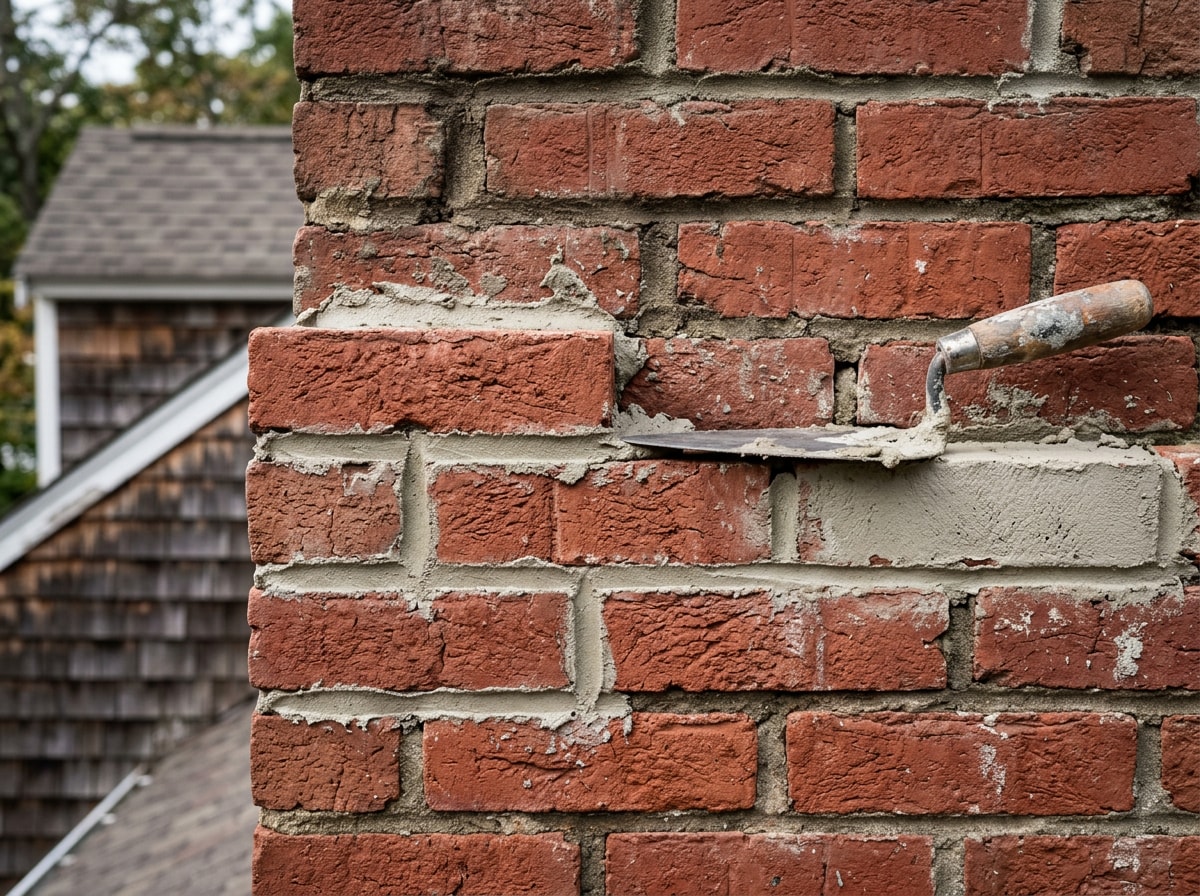
Type N mortar is a medium-strength, general-purpose mix made from Portland cement, lime, and sand in roughly equal parts of cement and lime to six parts sand. Type N mortar is a medium-strength, general-purpose mortar made by combining one part cement, one part lime, and six parts sand. That lime-heavy ratio is what gives it flexibility, which matters when brick shifts slightly with seasonal temperature swings.
Type N typically covers:
- Above-grade brick and block walls
- Chimneys and fireplaces
- Soft stone and veneer work
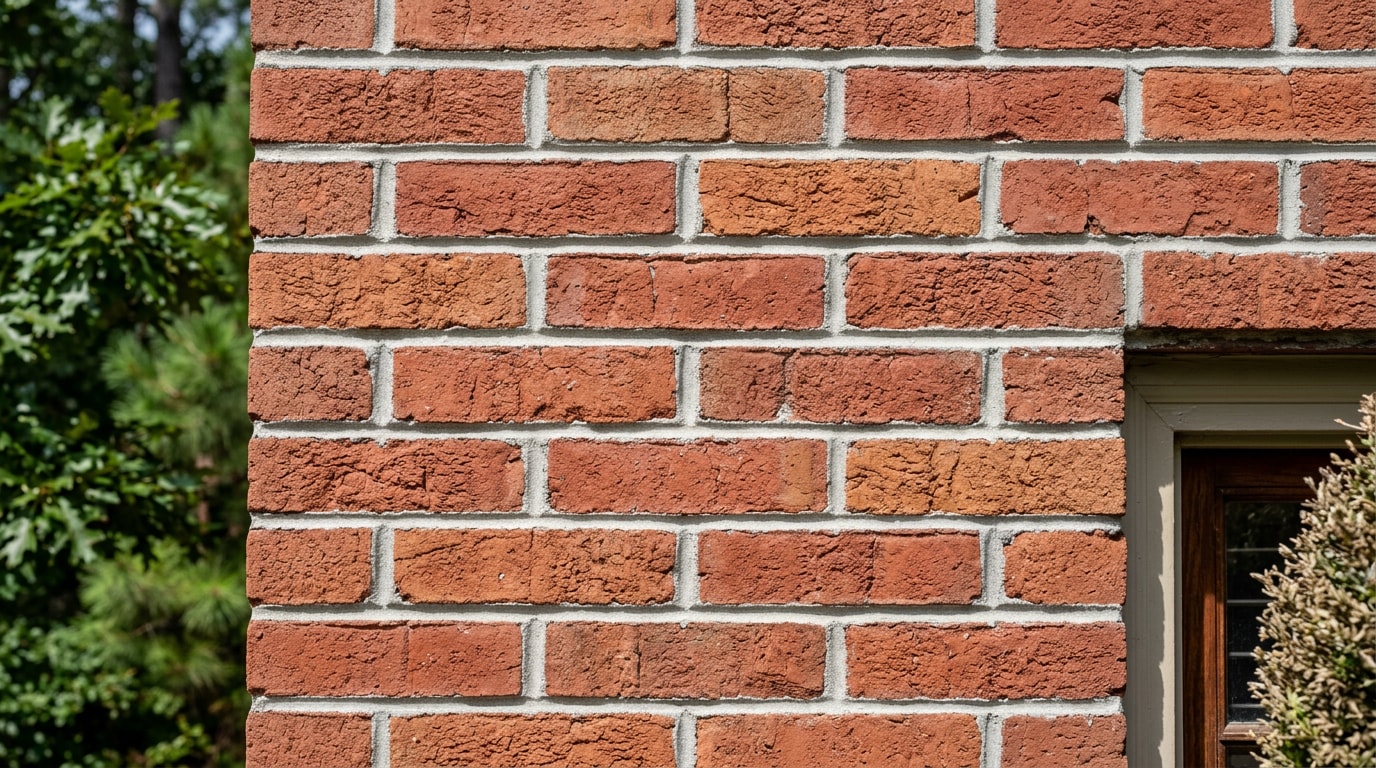
- Repointing on older, softer brick
- General residential exterior masonry
Type N mortar has 750-psi compressive strength which is suitable for above-grade brick or soft stone, and is commonly used for above-ground, exterior, interior, and soft stone masonry applications. That strength ceiling is intentional. Mortar is meant to be the sacrificial, slightly softer layer in a wall, so that any cracking happens at the joint instead of through the brick itself.
For specific minimum strength and testing requirements, the ASTM C270 specification covers mortars for use in the construction of non-reinforced and reinforced unit masonry structures , and it's the standard every bagged or batched mortar on a Burlington jobsite should meet. You can review the full scope on the ASTM C270 standard page.
Type N vs. Type S Mortar
Once a wall has to carry real structural load or sits below grade, Type N typically steps aside for Type S. Type S mortar is stronger and more durable and is best suited for load-bearing walls, retaining walls, foundations, and other below-grade applications where higher compressive strength is needed.
| Feature | Type N Mortar | Type S Mortar |
|---|---|---|
| Compressive strength | ~750 PSI | ~1,800 PSI |
| Flexibility | High, forgiving of minor movement | Lower, stiffer mix |
| Typical use | Above-grade walls, chimneys, repointing | Foundations, retaining walls, load-bearing structures |
| Best fit in Burlington | Older brick homes, veneer, soft stone | Below-grade work, new structural masonry |
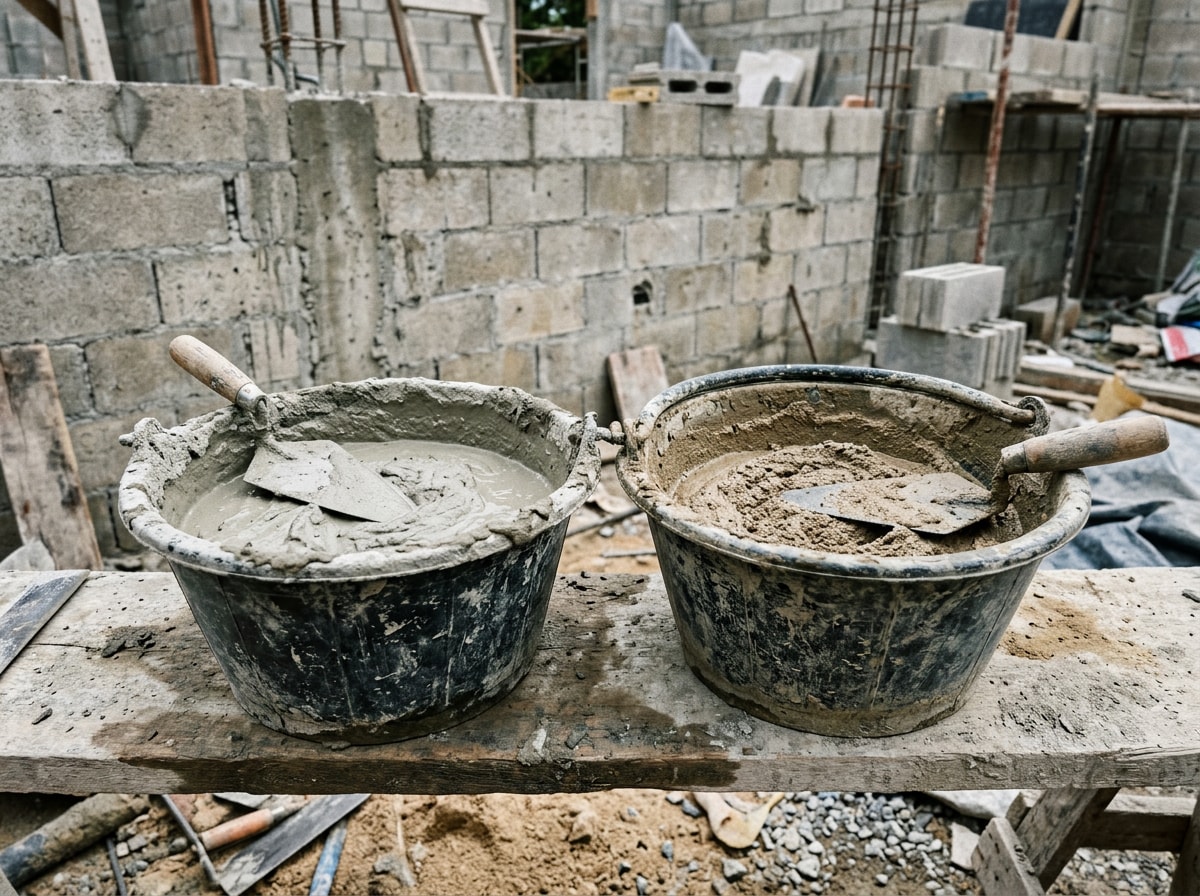
Neither mortar requires specialty tools to mix or apply, and both are built from the same base ingredients. The difference is proportion: more Portland cement pushes a mix toward Type S strength; more lime pushes it toward Type N's flexibility.
If your project involves footings or a below-grade wall, it's worth having that conversation with a foundation contractor before mortar is even on the table, since structural requirements usually dictate the mix.
The Full Mortar Family: M, S, N, O, and K
Type N and Type S aren't the only options, they're just the two most common for residential work. The full classification system runs from strongest to weakest:
- Type M:
Type M mortar is the strongest mortar type, making it well-suited for heavy loads, masonry below-grade applications, foundations, retaining walls, and driveways.
- Type S: ~1,800 PSI, the step above Type N for load-bearing and below-grade work.
- Type N: ~750 PSI, the standard for above-grade residential masonry.
- Type O:
Type O mortar is a specialty, low-strength mortar used primarily in interior, non-load-bearing applications or for tuckpointing repairs.
- Type K:
Type K mortar has a compressive strength of approximately 75 PSI , reserved almost exclusively for historic restoration where very soft, lime-rich mortar is needed to match original material.
| Mortar Type | Approximate Minimum PSI | Common Use |
|---|---|---|
| Type M | 2,500 PSI | Below-grade, heavy structural |
| Type S | 1,800 PSI | Load-bearing, below-grade |
| Type N | 750 PSI | Above-grade residential, chimneys |
| Type O | 350 PSI | Interior, non-load-bearing |
| Type K | 75 PSI | Historic restoration only |
Freeze-Thaw and Historic Brick: Why This Matters Locally
Burlington sits in the Piedmont, where winter doesn't bring heavy snow but does bring repeated freeze-thaw swings. Local climate data from the Burlington Alamance Airport (KBUY) station, based on data from 1998 to 2019 , puts the average first fall freeze around October 29 and the average last spring freeze around April 4, meaning brick and mortar in this area cycle through roughly five months of freeze-thaw risk every year.
That repeated expansion and contraction is exactly the kind of stress Type N's flexibility is built to absorb. A mortar that's too rigid for the brick it's bonding will often crack or force stress into the brick face instead, which shows up as spalling after just a few winters.
This matters even more on Burlington's older housing stock. The city's historic districts include brick and brick-veneer homes dating to the 1890s through the 1920s, and original brick from that era is typically softer than anything made today. Matching mortar hardness to that softer brick, rather than defaulting to the strongest mix available, is one of the more overlooked parts of a lasting repair.
Choosing the Right Mortar for Your Project
Before settling on a mortar type, walk through these questions:
- Is the wall load-bearing or non-load-bearing? Non-load-bearing above-grade walls are Type N territory.
- Is it above-grade or below-grade? Anything touching soil or carrying structural load usually needs Type S or stronger.
- How old and soft is the existing brick? Older, softer brick needs a mortar that won't out-strength it.
- What's the exposure? Freeze-thaw cycles, wind, and moisture all factor into the decision.
For most repointing and repair work on Burlington homes, Type N's balance of workability and flexibility makes it the practical default, especially on pre-1950s brick. Below-grade sections, retaining walls, and new structural masonry call for Type S instead.
If you're not sure which category your project falls into, our team at Boswell Brothers has handled both above-grade repointing and below-grade structural masonry across Alamance County, and we walk every homeowner through that assessment before quoting a repair. You can browse our broader concrete contractor services or see examples of local work on our Burlington, NC area page.
Mortar Compatibility Risks on Older Masonry
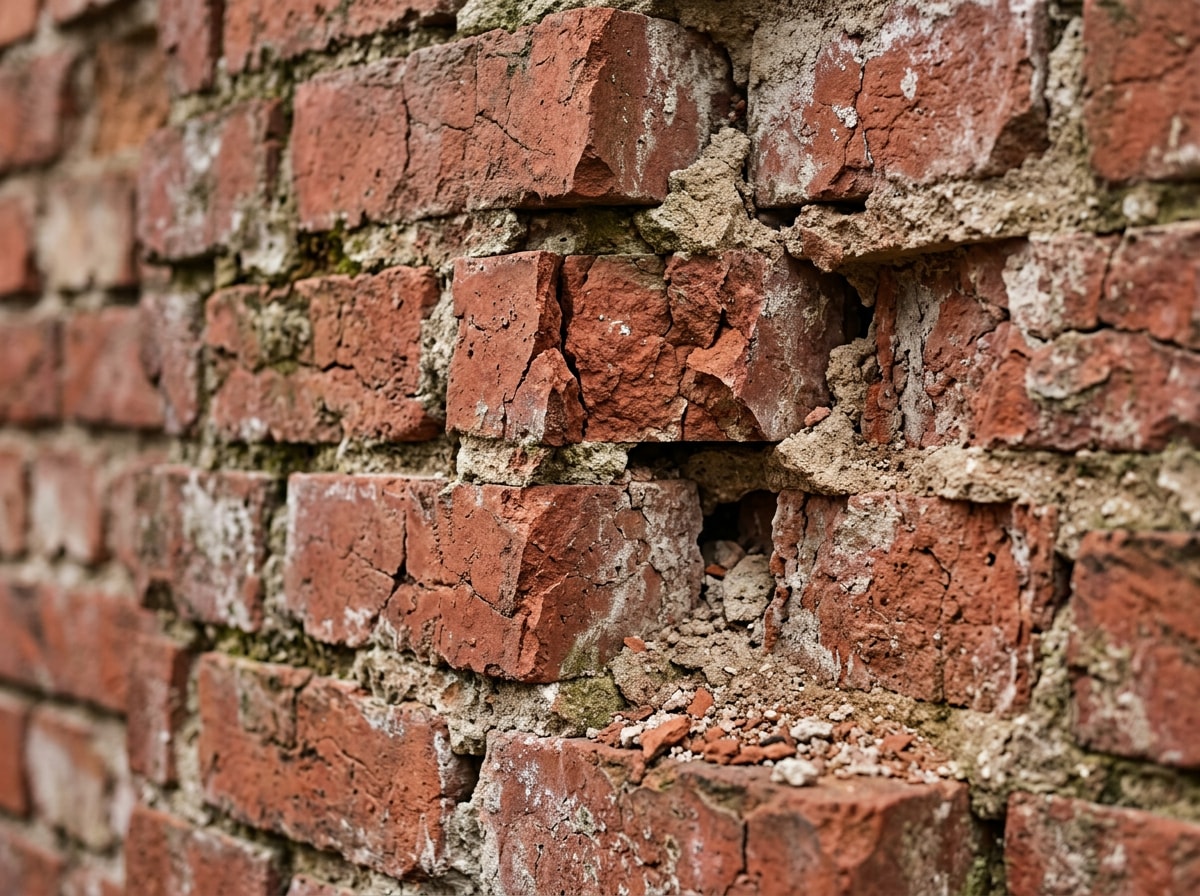
Using mortar that's harder than the surrounding brick is one of the most common mistakes in DIY repointing. The mismatch forces seasonal movement into the brick instead of the joint, which causes cracking and spalling over time, and it's especially damaging on historic masonry where original brick is softer than modern units.
The National Park Service notes that masonry, brick, stone, terra-cotta, and concrete block, is found on nearly every historic building , and its technical guidance on repointing specifically warns against over-strength mortar on these structures. You can read the full guidance in the NPS Preservation Brief on repointing historic masonry before starting repair work on a pre-1950s home.
Rather than guessing at compatibility, it's worth having a professional test the existing mortar first. If you'd like that assessment done before you buy a single bag, contact us for a free estimate.
FAQ
What is Type N mortar best for?
Above-grade residential brick and block walls, chimneys, soft stone, and repointing on older masonry. It's the standard mortar for most exterior work on Burlington homes that isn't carrying structural load or sitting below grade.
Can Type N mortar be used on a load-bearing or retaining wall?
No. Type N's lower compressive strength (around 750 PSI) isn't rated for retaining walls or load-bearing structural work. Those applications call for Type S or Type M.
Do you have to mix sand with Type N mortar?
No. Pre-mixed Type N mortar only needs water added on site. Mortar cement products, by contrast, require sand to be measured and added separately.
Is Quikrete a Type N mortar?
Some Quikrete products are formulated to Type N spec, but not all of them are. Check the bag for the ASTM type designation before buying, since mislabeling assumptions can lead to the wrong mix on your wall.
Where can I buy Type N mortar?
It's widely available at masonry supply yards and home improvement stores throughout the Burlington area. Confirm the Type N designation is printed on the packaging, not just assumed from the brand name.
Which mortar type is better for a brick veneer?
Type N is generally the better choice for veneer work. It provides a clean finish and enough strength for non-load-bearing applications without the stiffness of Type S.
Is Type S mortar suitable for indoor use?
It can be used indoors, but it's typically reserved for areas needing higher strength, like below-grade basement walls, rather than standard interior partitions.
Still unsure which mortar your Burlington project needs? For a closer look at how local pros handle brick, block, and foundation work together, see our guide on masonry services in Burlington, NC, or visit our homepage to see the full range of services we offer. When you're ready to move forward, get a free estimate from our team.