Homeowners searching for brick and block masonry in Liberty, NC are usually dealing with one of three things: a crumbling mortar joint, a cracked foundation wall, or a new project they want built to last through Piedmont winters. This guide breaks down what each job actually involves, what it costs in 2026, and why clay soil and freeze-thaw cycles change how masonry should be built here versus anywhere else. By the end, you'll know exactly what to ask a contractor before signing anything.
What's Included in Brick and Block Masonry Work
Most quotes labeled "brick and block masonry" actually cover three distinct categories of work. Knowing which one you need keeps you from overpaying for services you don't.
Brick Masonry
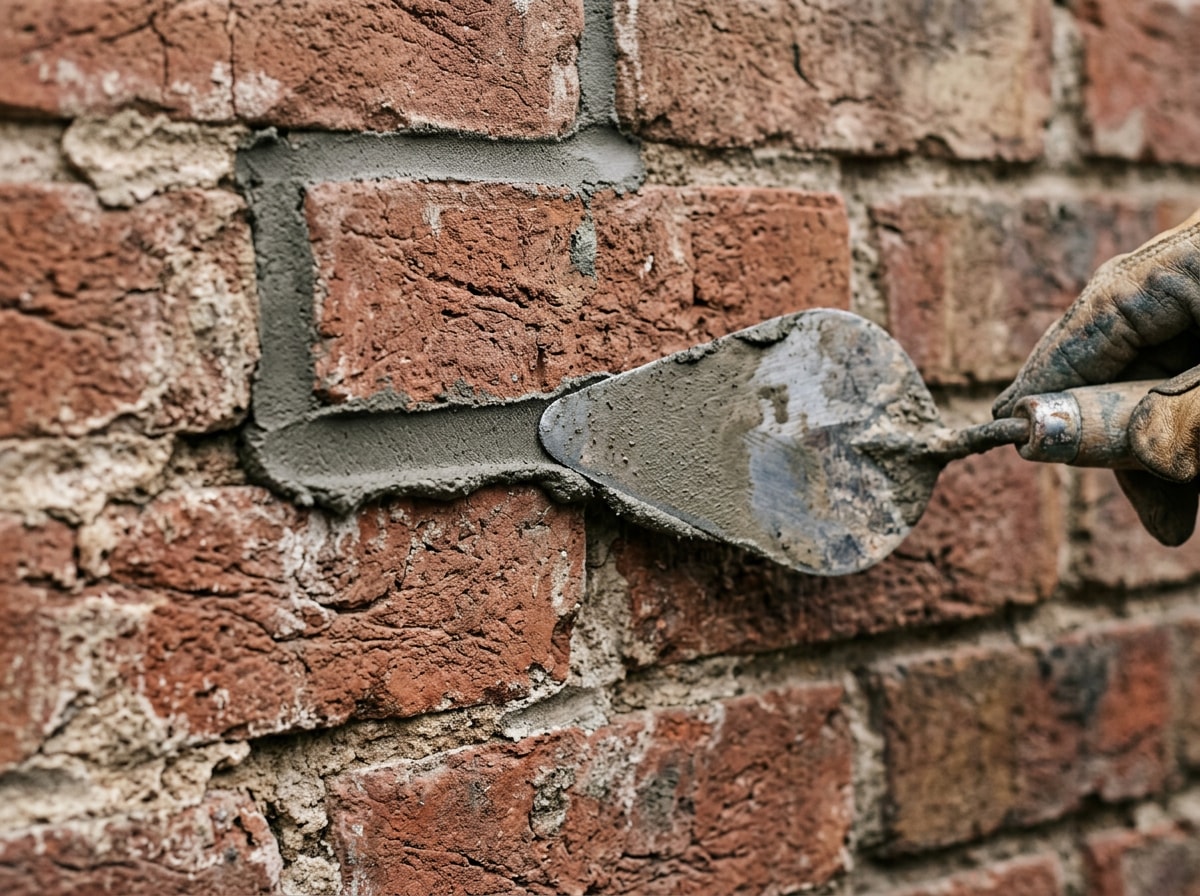
Brick masonry covers the work most homeowners picture first: veneer and wall installation, steps, and brick repair where mortar joints have cracked or crumbled. A skilled mason handles repointing and mortar matching so patched sections blend with the original color and texture instead of standing out as an obvious repair. For older Liberty homes, mortar matching matters more than people expect, since mismatched mortar is one of the most visible repair mistakes a crew can make.
Concrete Block (CMU) Masonry
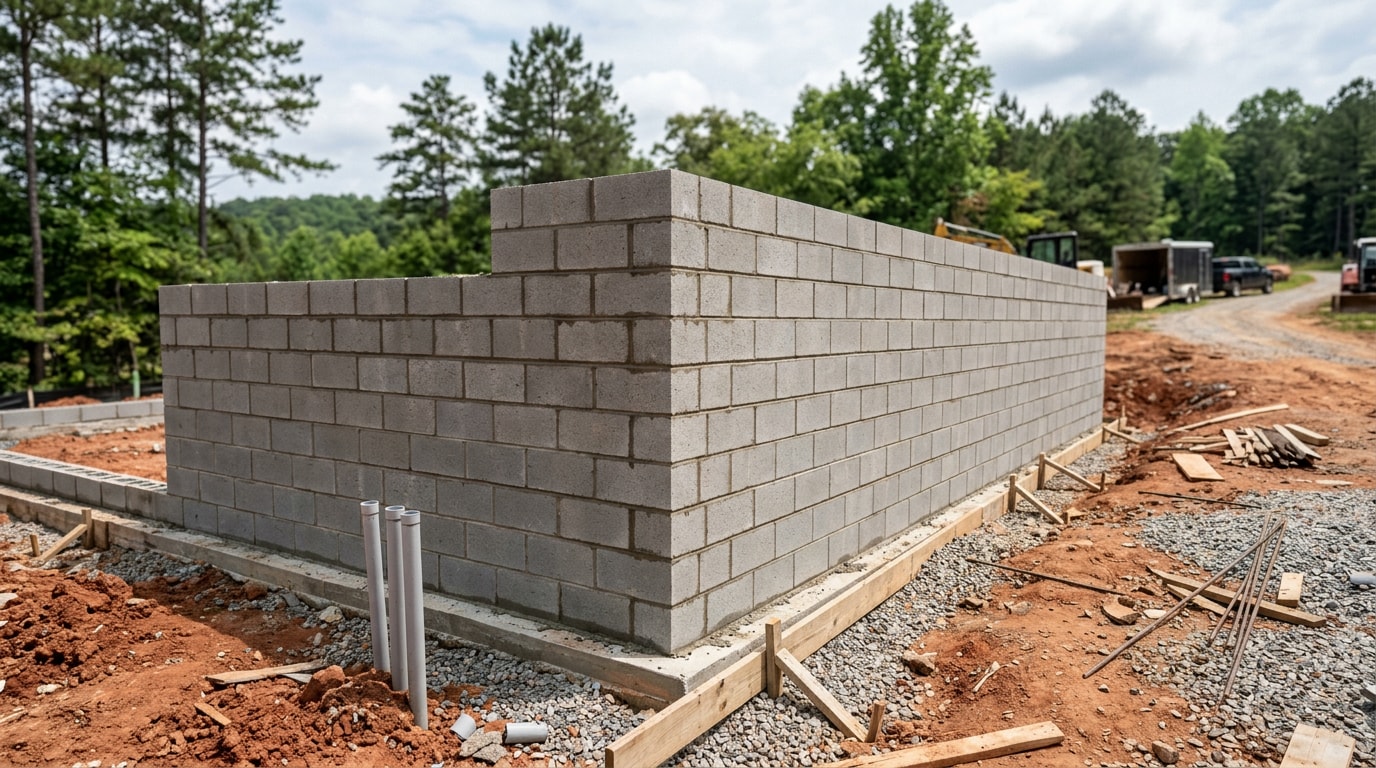
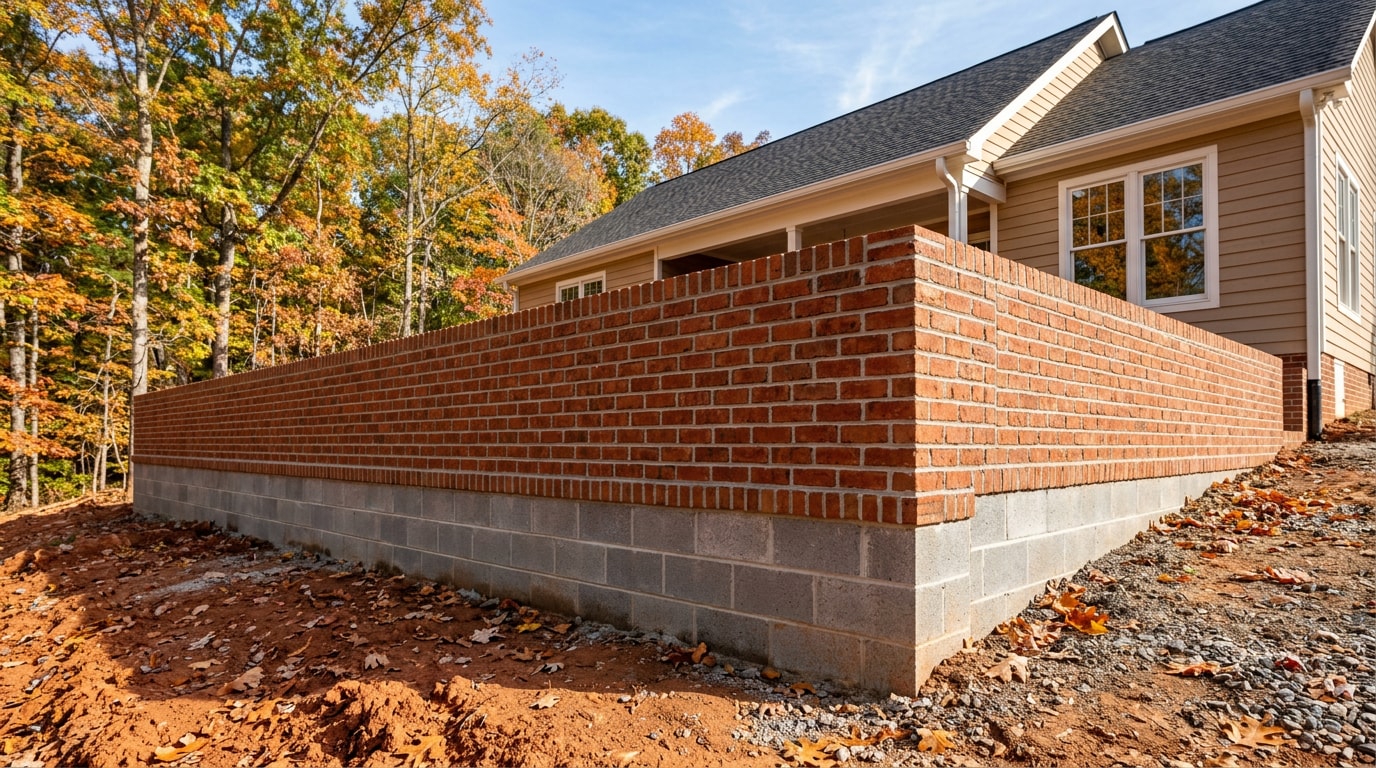
Concrete block masonry, often called CMU work, typically handles jobs brick isn't built for. Block foundations, basement walls, and structural or demising walls rely on concrete masonry units for load-bearing strength rather than appearance. Brick usually finishes the visible surface, while block does the structural work underneath or behind it, which is why "brick and block" so often come as a pair on the same project.
Structural Masonry: Foundations, Chimneys, and Retaining Walls
Structural masonry is any load-bearing brick or block work holding up part of your home, as opposed to purely decorative veneer. This includes:
- Foundation masonry and footings
- Chimney masonry and flue repair
- Retaining walls holding back graded soil
Warning signs that need prompt attention include:
- Stair-step cracks running diagonally through block or brick courses
- A bowing or leaning block wall
- A chimney pulling away from the house
- A retaining wall that's started to bulge outward
These aren't cosmetic issues. On a recent repair call in the Liberty area, our crew traced stair-step cracking in a block foundation directly back to seasonal clay movement under one corner of the house, a pattern that shows up often in this part of Randolph County once a footing settles unevenly. Catching it early is almost always cheaper than catching it after a wall has shifted enough to need partial rebuilding.
Permit and inspection requirements for load-bearing masonry work vary by jurisdiction, but the baseline standards come from the International Building Code. Chapter 21 of the code establishes minimum requirements for masonry construction, covering material specifications, wall construction types, and required construction details. It's worth confirming current local requirements before any structural repair begins.
How Much Does Brick and Block Masonry Cost in Liberty, NC?
Masonry cost depends on material, site access, and project scope. Here's a rough breakdown for 2026 budgeting:
| Project Type | Typical Cost Range | Notes |
|---|---|---|
| Brick repointing/repair | $8–$20 per sq. ft. | Higher end for color-matched historic mortar |
| Brick veneer installation | $10–$30 per sq. ft. | Varies by brick grade and wall prep |
| Concrete block wall (new) | $15–$35 per sq. ft. | Depends on reinforcement and footing depth |
| Chimney repair | $160–$750 per project | Full rebuilds run higher |
| Retaining wall (block or brick) | $20–$45 per sq. ft. | Driven by wall height and drainage needs |
Labor is a major driver of that range. masonry work is physically demanding, requiring heavy lifting and long periods of standing, kneeling, and bending.
Brickmasons and blockmasons reported a 2025 median pay of $58,270 per year, or $28.02 per hour, nationally. Local rates in the NC Piedmont will shift based on that baseline, project complexity, and material costs specific to the job.
Request a free estimate for pricing specific to your project instead of relying on national averages.
How Local Climate and Soil Affect Brick and Block Masonry in Liberty, NC
Liberty sits in the NC Piedmont, where clay-heavy soils are common across the region. Finely textured, clay-rich soils can carry shrink-and-swell characteristics that matter for anything built on or against them. Clayey soils may have shrink-and-swell characteristics that affect construction uses. That movement, combined with North Carolina's winter freeze-thaw swings, is why footings, drainage, and flashing details matter as much as the brick or block itself.
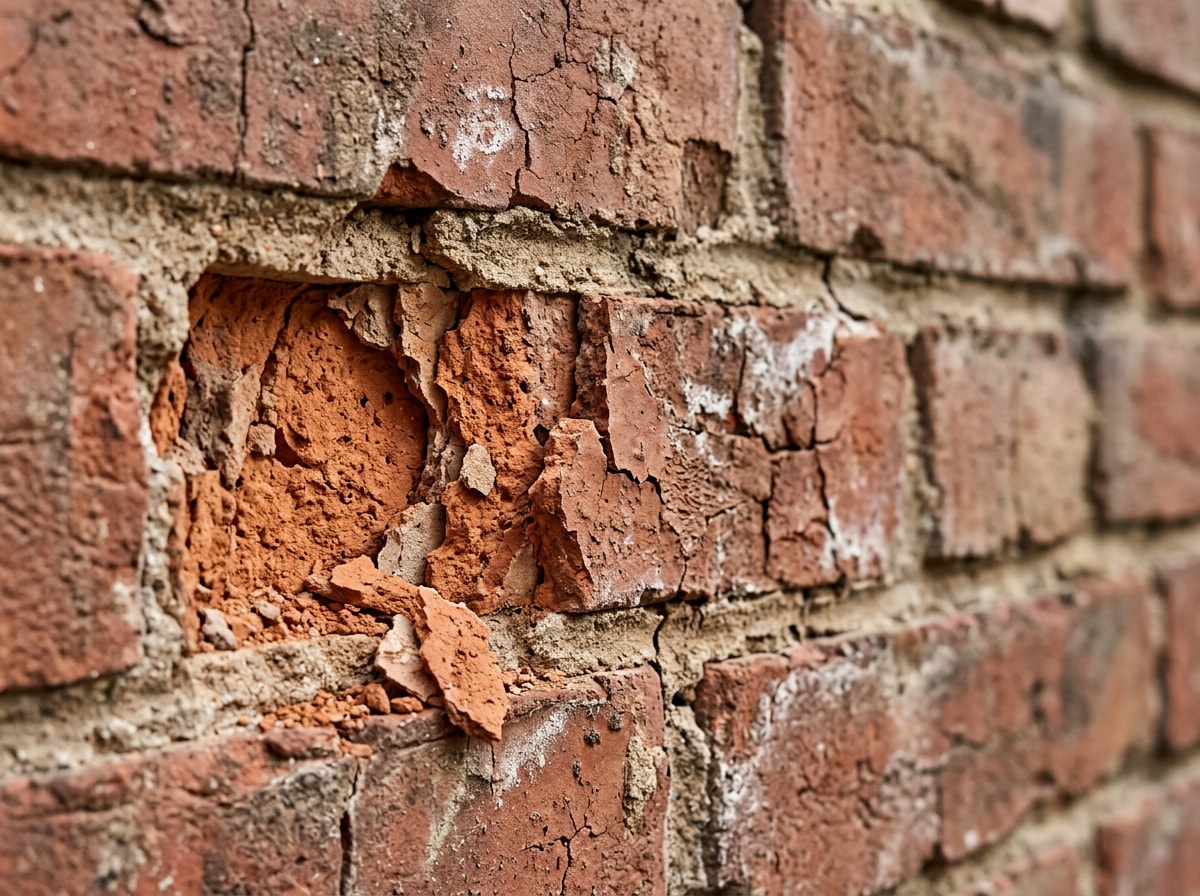
Freeze-thaw cycling is a separate but related problem. When moisture gets trapped inside brick or mortar and then freezes, it expands and can push the face off the material entirely, a defect called spalling. Technical Notes on Brick Construction published by the Brick Industry Association are free bulletins covering design, detailing, and construction information based on the latest technical developments in brick masonry , and several of them address exactly this kind of water penetration and freeze-thaw risk in climates like ours. Proper flashing, weep holes, and drainage behind the wall matter more for long-term durability than which material you choose.
How to Hire the Right Brick and Block Mason in Liberty, NC
Not every contractor who touches concrete is equipped for structural masonry. Before hiring, confirm:
- They carry liability insurance and workers' comp coverage
- They can show photos of completed brick and block work, not just concrete flatwork
- They explain footing depth and reinforcement for any load-bearing wall
- They can source matching brick or block for repair work, not just new construction
- They pull permits where local code requires it for structural repairs
If a quote skips any of these, ask directly before signing. For a deeper look at vetting masonry contractors for larger projects, our hiring guide for commercial masonry companies in Liberty, NC covers the same questions at a bigger scale.
Why Choose Us for Your Next Brick and Block Masonry Project
Brick and block together offer durable masonry that outlasts most other building materials, plus thermal mass that helps regulate indoor temperature year-round. Both materials resist fire and pests better than wood-frame alternatives, and well-maintained masonry tends to support stronger resale value. We handle structural masonry alongside our foundation contractor work, including concrete footings and foundation repair, so the same crew that lays block also understands what's holding it up.
Learn more about our work across Liberty, NC or browse our full site for the rest of our concrete and construction services.
Get a free estimate and we'll walk the site, explain what we see, and give you a number before any work starts.
FAQ
What is the difference between brick masonry and block masonry?
Brick is smaller, denser, and often decorative. Concrete block is larger, less expensive, and typically used for structural or foundation work. Many projects use both: block for structure, brick for the visible finish.
What are the primary structural advantages of building with brick?
Brick offers strong compressive strength, fire resistance, and long-term durability, making it a reliable choice for load-bearing and veneer applications alike.
Why are the faces of my bricks cracking and shearing off completely?
This is called spalling, usually caused by trapped moisture that expands when it freezes, pushing off the brick's outer face. It's more common on older walls with failed flashing or unsealed mortar joints.
Can you source matching replacement brick or block for repairs?
Yes. Experienced masons can often match color, texture, and size closely enough that repairs blend with existing brick or block, though exact matches on very old brick can take extra sourcing time.
Is masonry cheaper than concrete?
Not usually for the same footprint. Brick and block require more labor to lay unit by unit, while poured concrete goes in faster for flat work like slabs and driveways. Masonry tends to cost more upfront but holds up differently over time, especially for vertical, load-bearing walls.
Do I need a permit for brick or block masonry repair in Liberty, NC?
It depends on scope. Cosmetic repointing usually doesn't require a permit, but anything touching a load-bearing wall, foundation, or chimney structure typically does. Check with your local building department before structural work begins.
How much does a mason charge per hour?
Rates vary by region and project complexity, but hourly masonry labor commonly falls somewhere between $50 and $100 per hour, consistent with national wage data for the trade.