Commercial masonry companies in Liberty, NC are busier than they've been in years, driven largely by the industrial buildout around the Toyota Battery Manufacturing corridor and steady growth across Randolph County. That demand has also pulled in out-of-town crews chasing volume, which makes it harder to tell an experienced commercial mason from a residential handyman with a truck full of brick. This guide breaks down the licensing, safety, and bidding standards that actually separate the two, so you can request a project estimate with confidence instead of guesswork.
What to Look for in Commercial Masonry Companies in Liberty, NC
Not every masonry crew that handles a backyard patio is equipped for a warehouse shell or a fire-rated CMU corridor. Commercial work runs on engineered drawings, inspection schedules, and code requirements that residential jobs rarely touch.
Before you get quotes, narrow your list to companies that can show you:
- An active North Carolina contractor license appropriate for the project size
- Recent commercial references in your building type (retail, industrial, healthcare, etc.)
- Current general liability and workers' compensation coverage
- A documented safety program, not just a verbal assurance
Firms that check all four boxes tend to bid tighter and finish closer to schedule than crews assembled for a single job.
Commercial Masonry Services Liberty, NC Businesses Need
Established firms typically offer a full range of commercial construction) services rather than one narrow specialty, so it pays to know what falls under that umbrella before you compare bids.
Most companies handle:
- Brick and standard CMU wall construction for warehouses, schools, and retail buildings
- Cast stone accents for facades and entryways
- Natural stone veneer or structural stonework
- Glass block installation for newer building designs
- Historic masonry restoration on older brick and stone structures downtown
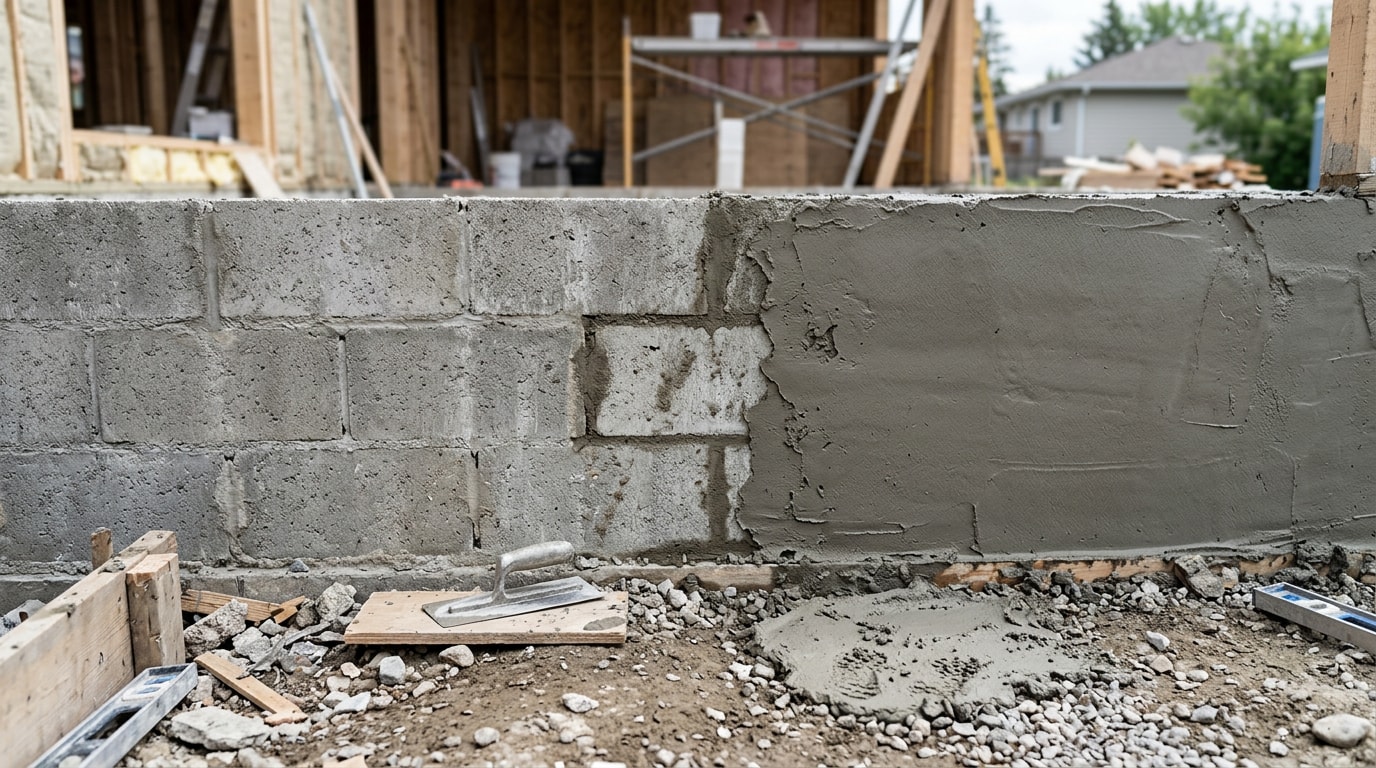
That last category matters more in this part of Randolph and Alamance County than people expect. Our crews have handled repair work on brick storefronts built decades before current energy codes existed, and matching mortar color and joint profile on those jobs takes a different skill set than laying new block. If your project leans toward CMU wall systems specifically, our breakdown of concrete masonry unit types and costs covers the material side in more depth.
What Types of Commercial Projects Use Masonry Contractors?
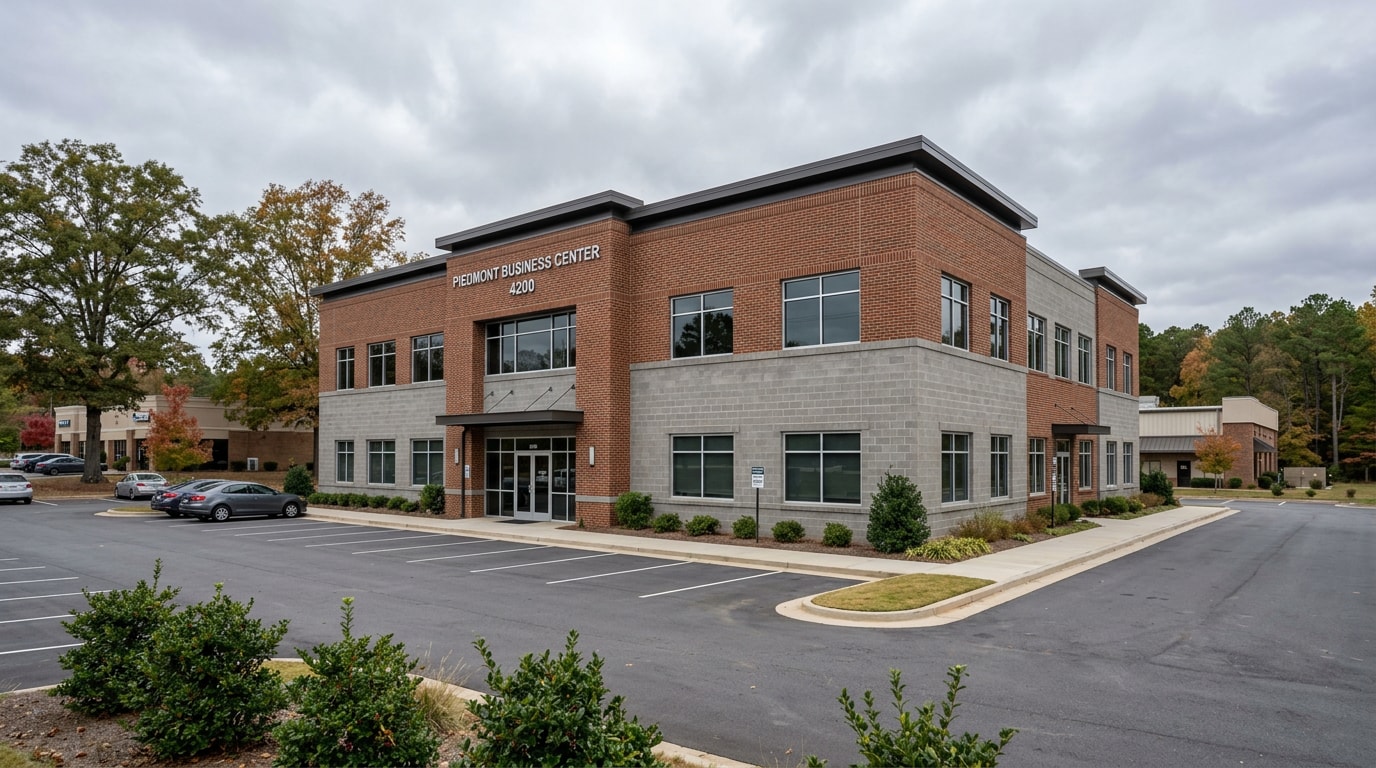
Commercial masonry contractors work across a wide range of building types, and the mix shifts with regional growth. Around Liberty, industrial and logistics projects tied to the Toyota corridor have added new demand alongside the more traditional sectors below.
| Sector | Typical Masonry Work |
|---|---|
| Healthcare | Fire-rated walls, exterior veneer, code-driven assemblies |
| Education | CMU classroom walls, brick facades |
| Retail | Big-box block shells, storefront brick |
| Hospitality | Veneer brick, stone accents |
| Industrial | Tilt-up and CMU warehouse walls |
| Government/municipal | Public buildings, restoration work |
| Religious | Sanctuary construction, stone facades |
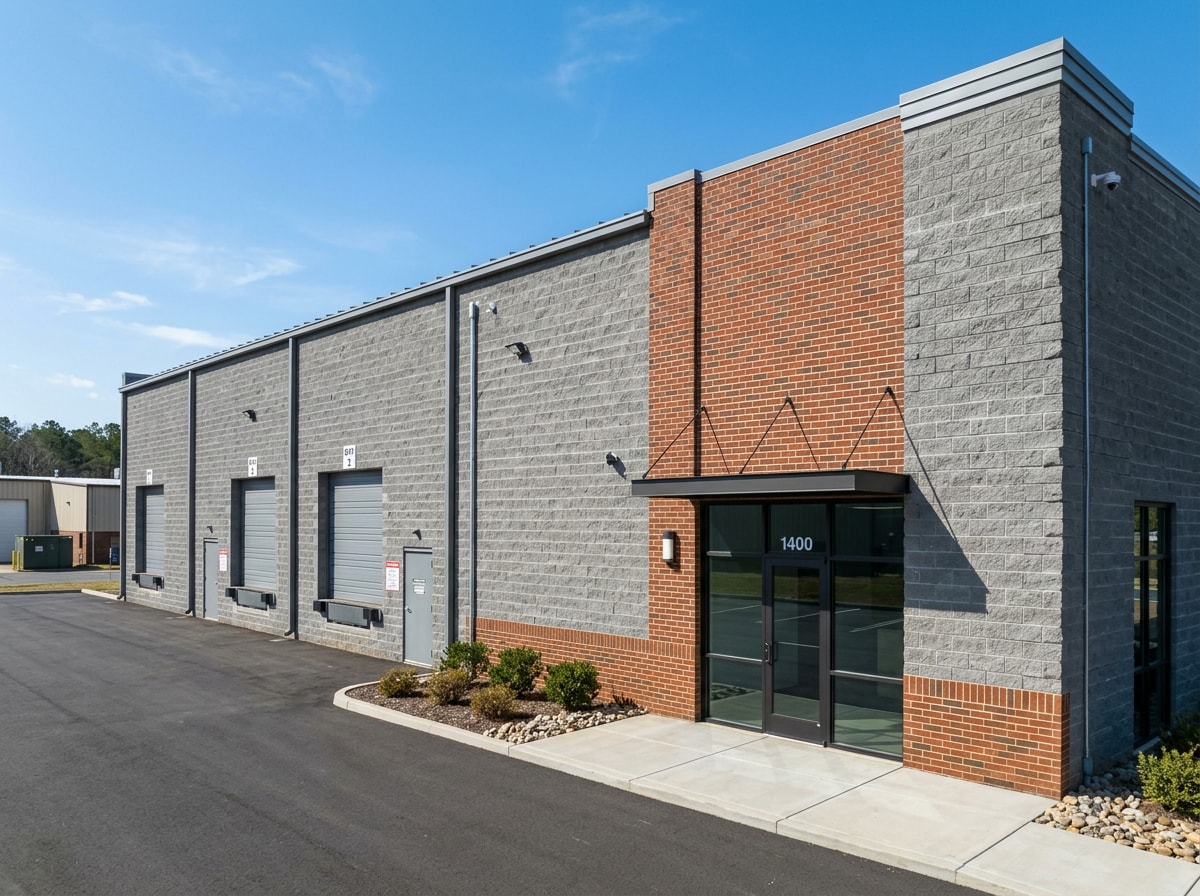
A contractor experienced in healthcare facility masonry won't necessarily have the CMU shell experience an industrial warehouse needs. Ask about sector-specific history when comparing bids, and don't assume a strong portfolio in one sector transfers cleanly to another.
Licensing and Certification Checklist for NC Masonry Contractors
North Carolina law requires a licensed general contractor once a project's total cost hits a specific dollar threshold. Per the state's own licensing board, a general contractor must be licensed if the total project cost is valued at $40,000 or higher . Most commercial masonry packages clear that number easily, so licensing isn't optional paperwork, it's a legal requirement.
Before signing anything, ask to see:
- A current NC contractor license number you can verify independently
- Proof of general liability and workers' compensation insurance
- Manufacturer certifications for specialty systems like cast stone or glass block
- A copy of recent safety training records for field supervisors
You can verify license status directly through the NC Licensing Board for General Contractors. Skipping this step is one of the more common ways commercial property owners end up dealing with stalled projects or code violations discovered mid-build.
Safety Standards That Separate Established Crews from Small Operators
Safety training is one of the clearest signals of a commercial-grade operation. Whether a crew is repairing a single brick column or laying block for a multi-building industrial park, the same safety discipline should apply regardless of job size.
Many established firms require field supervisors to complete OSHA's 30-hour construction course, which specifically trains supervisors to identify the OSHA safety requirements for construction operations involving concrete, masonry, and steel erection activities . That level of training reduces jobsite injuries and signals real commercial discipline, not just a sales pitch. You can review the underlying rules yourself through OSHA's construction industry standards, and the Mason Contractors Association of America publishes additional field-specific training resources worth asking a contractor about.
Masonry Maintenance and Repair Services
New construction isn't the only reason to call a mason. Commercial buildings age unevenly, and masonry envelopes need periodic attention to stay watertight.
Common repair work includes:
- Water intrusion fixes around window and door openings
- Brick cleaning to remove staining and efflorescence
- Sealant application to slow moisture penetration through mortar joints
- Sawcutting existing walls to add new door or window openings
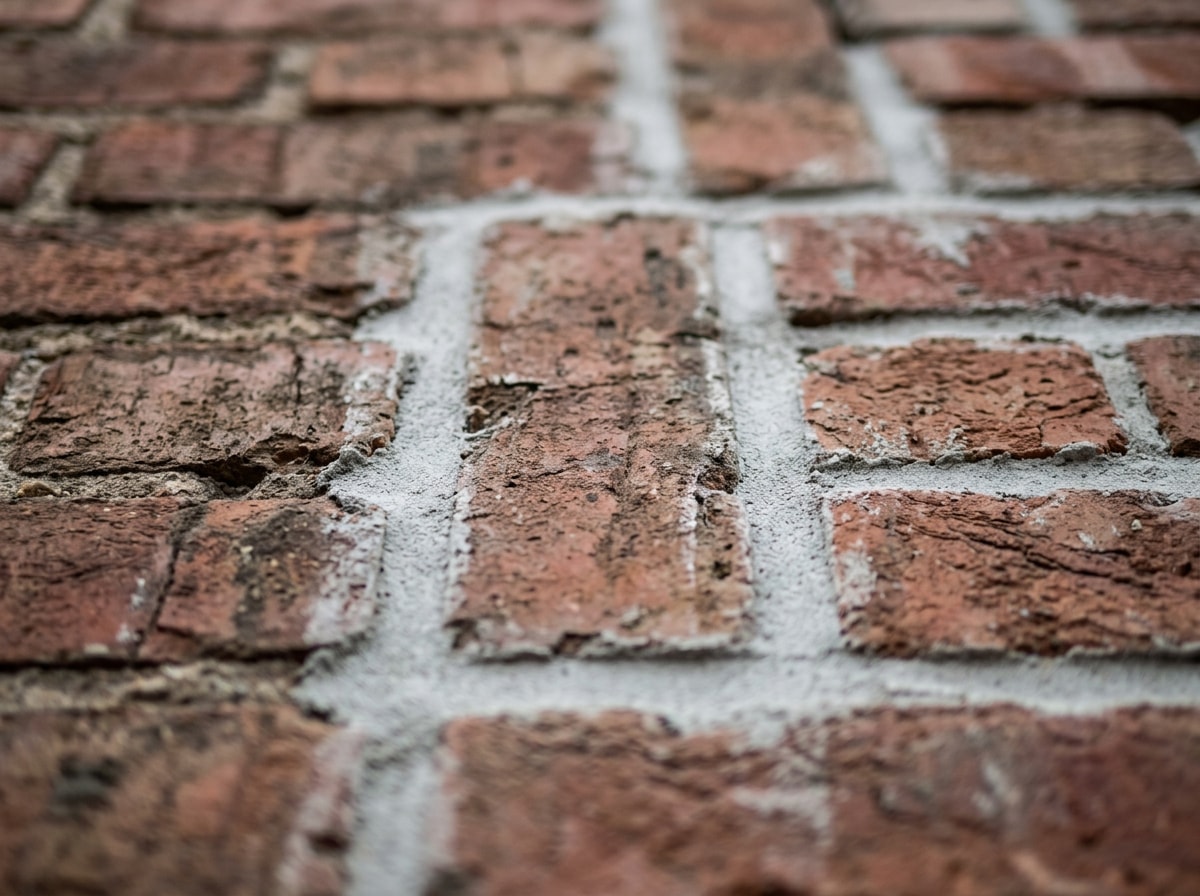
Catching a cracked mortar joint early is far cheaper than repairing the structural water damage that follows a season or two of neglect. If your building's masonry envelope hasn't been inspected in a few years, that's usually the first sign it's due.
How Commercial Masonry Bids Flow Through General Contractors
Commercial masonry work often flows through general contractors rather than directly from the property owner. Developers handling office parks, retail centers, and industrial buildings around Liberty typically bring in masonry subcontractors during the bid phase, after design documents are finalized.
This matters whether you're a GC comparing subcontractor bids or a developer gauging which firms are active locally. On our own projects, masonry scope is coordinated tightly with foundation and footing work, since block and brick loads have to match what's actually poured below grade. Firms with a track record on similar general contractor projects tend to bid more competitively and deliver more predictable timelines than crews bidding a building type for the first time.
How Much Lead Time Should You Give a Masonry Contractor?
Lead time expectations vary by trade, and masonry is no exception. Most commercial masonry companies need two to four weeks to review plans, calculate material quantities, and prepare a detailed bid for a mid-sized project.
Larger jobs, especially those involving custom cast stone or historic restoration, may need six weeks or more for an accurate quote. Requesting bids early in your project timeline gives contractors room to schedule crews and order materials, which usually results in more competitive pricing than a rushed request. Reach out early and you'll have more options on the table when it's time to start.
Ready to move forward? Visit our homepage to see the full range of masonry, concrete, and foundation work we handle across the Piedmont Triad, or get a free estimate for your Liberty-area project directly.
FAQ
How much does commercial masonry cost per square foot?
Pricing varies widely by material, wall system, and site access, but commercial masonry work commonly falls in a broad range of roughly $15 to $45 per square foot. CMU generally costs less than brick or natural stone, and detailed architectural work pushes the number higher. Treat any figure you read online as a rough planning estimate, not a quote, and get a project-specific number before budgeting.
What is the difference between residential and commercial masonry?
Commercial masonry projects are larger, more complex, and governed by stricter commercial building codes than residential work. They typically require engineered drawings and contractors experienced in structural masonry systems like fire-rated CMU assemblies, which residential crews rarely encounter.
What questions should I ask before hiring a commercial masonry contractor?
Ask about licensing, insurance, project references, and safety training. A written estimate should break down material costs, labor, payment schedules, and full project scope, not just a lump-sum number.
How long do commercial masonry buildings last?
Properly constructed and maintained masonry buildings often stay in service for 50 years or longer, which is a major reason developers still choose brick and block over shorter-lived materials for exterior envelopes.
Do I need a licensed contractor for commercial masonry work in Liberty, NC?
Yes, in most cases. North Carolina requires a licensed general contractor once a project's total cost reaches $40,000, and nearly every commercial masonry package meets or exceeds that threshold.
How do I choose the right commercial masonry contractor near Liberty, NC?
Start by narrowing your list to licensed, insured contractors with references in your specific building type. Then compare bid detail, safety documentation, and how well their timeline matches your project's lead-time needs before making a final decision.