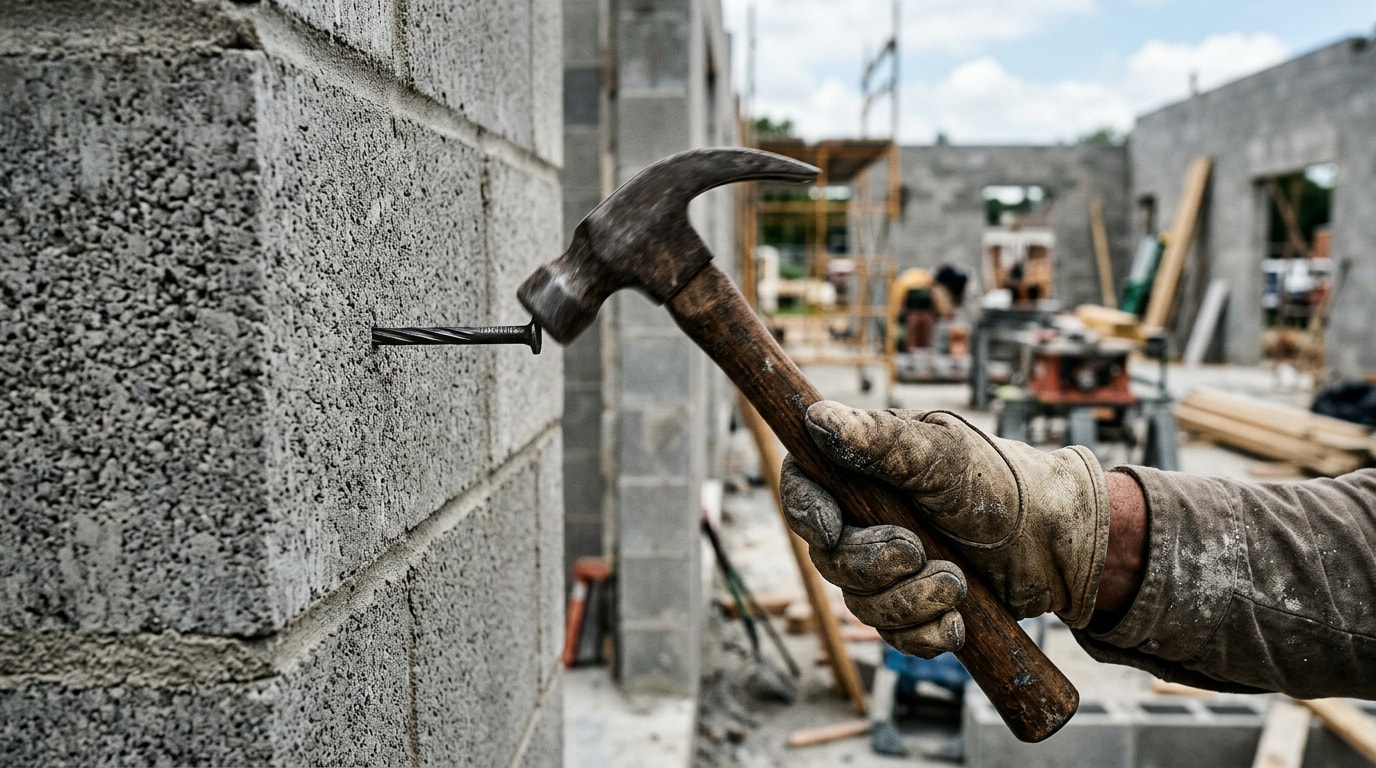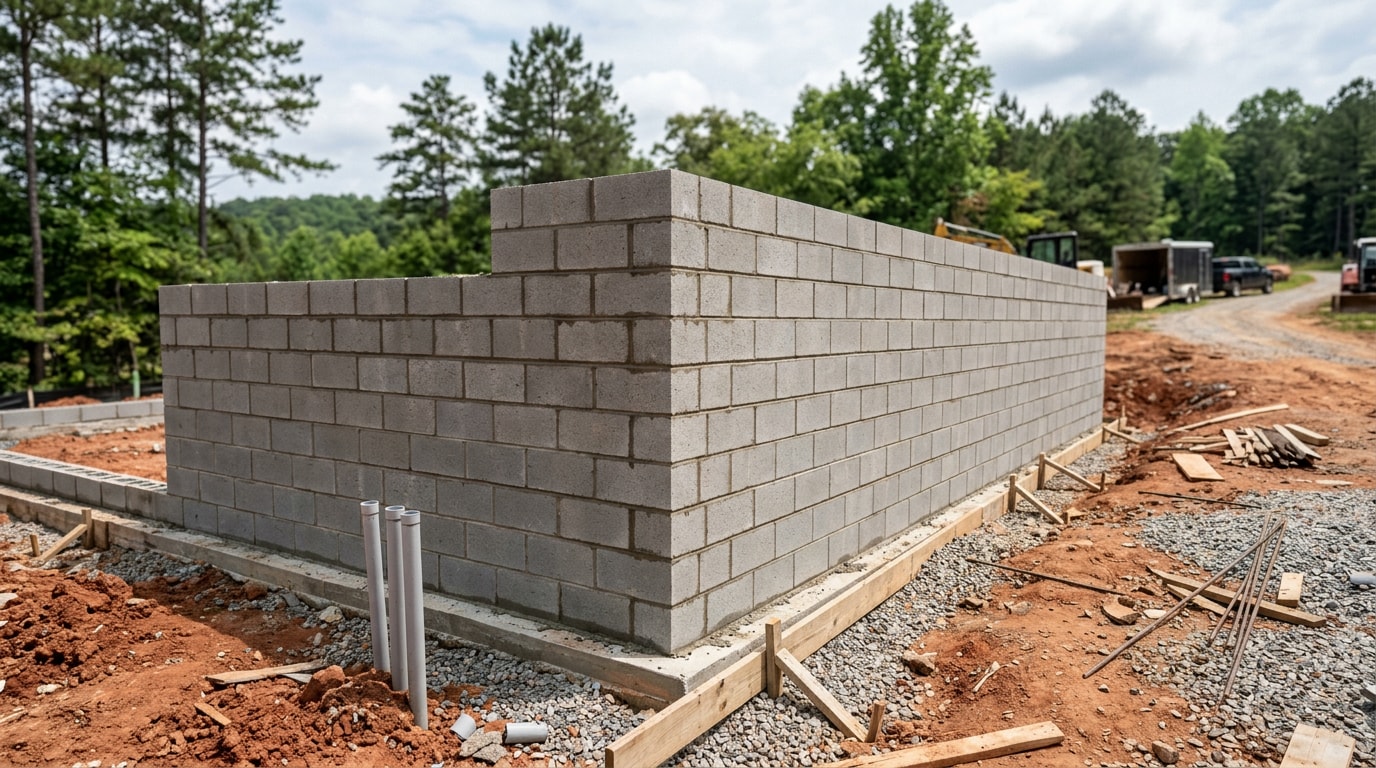
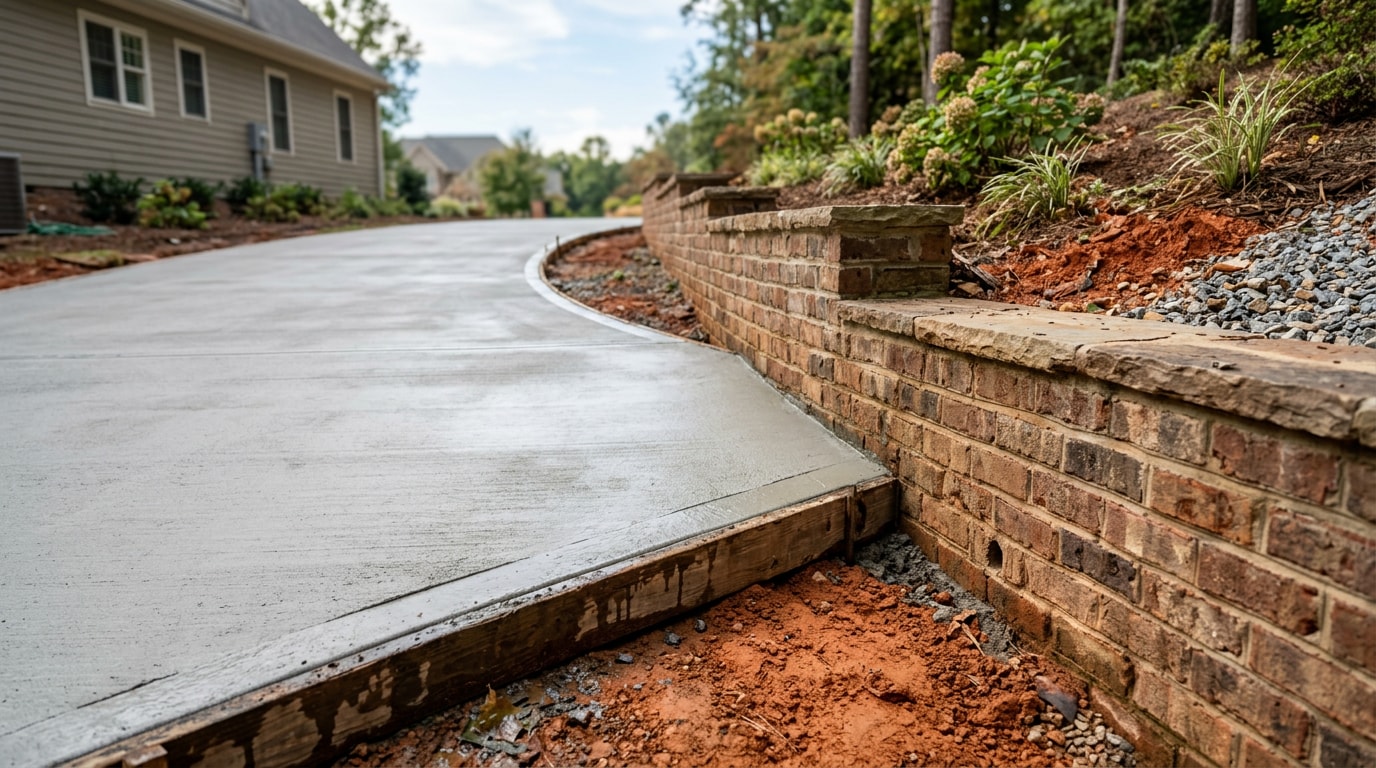
Concrete mixers & masonry in Greensboro, NC cover two different trades that homeowners often lump together: ready-mix delivery logistics and hand-set brick, block, or stone work. Knowing which one your project actually needs, and how mixer trucks, clay soil, and licensing checks affect the outcome, keeps you from overpaying or hiring the wrong crew. This guide breaks down both sides so you can read a bid correctly before you sign it.
Concrete and Masonry Services in Greensboro, NC
Most residential projects in the Triad fall into one of two categories: poured concrete flatwork or hand-laid masonry. The two trades use different materials, different crews, and different timelines, which is why a single bid sometimes needs two different specialists.
Masonry vs. Concrete: Know the Difference Before You Hire
Masonry relies on individually set brick, block, or stone units joined with mortar, while concrete work is poured into forms as a single continuous material. That distinction changes labor cost, repair methods, and how each surface handles Piedmont clay movement over time. We cover the full comparison, including when each material actually holds up better in Guilford County, in our guide on masonry vs. concrete in Greensboro, NC.
Concrete Driveways, Walkways & Patios
Residential flatwork covers concrete driveways, concrete patios, and sidewalk installation. Material choice matters here: poured concrete, pavers, and natural stone all respond differently to the area's clay-heavy soil and seasonal freeze-thaw swings, which affects how long each surface stays crack-free.
Concrete Slab Installation
Garage, shed, and addition slabs need more than a flat pour. A proper monolithic slab includes subgrade preparation, reinforcement, control joints, and a full cure period before it carries any load. Skipping any one of those steps is the single most common reason a new slab cracks within its first year.
Ready to compare bids on your own project? Get a free estimate before you sign anything.
How Concrete Mixers and Ready-Mix Delivery Actually Work
The "mixers" half of this topic is really about logistics, not the finished slab.
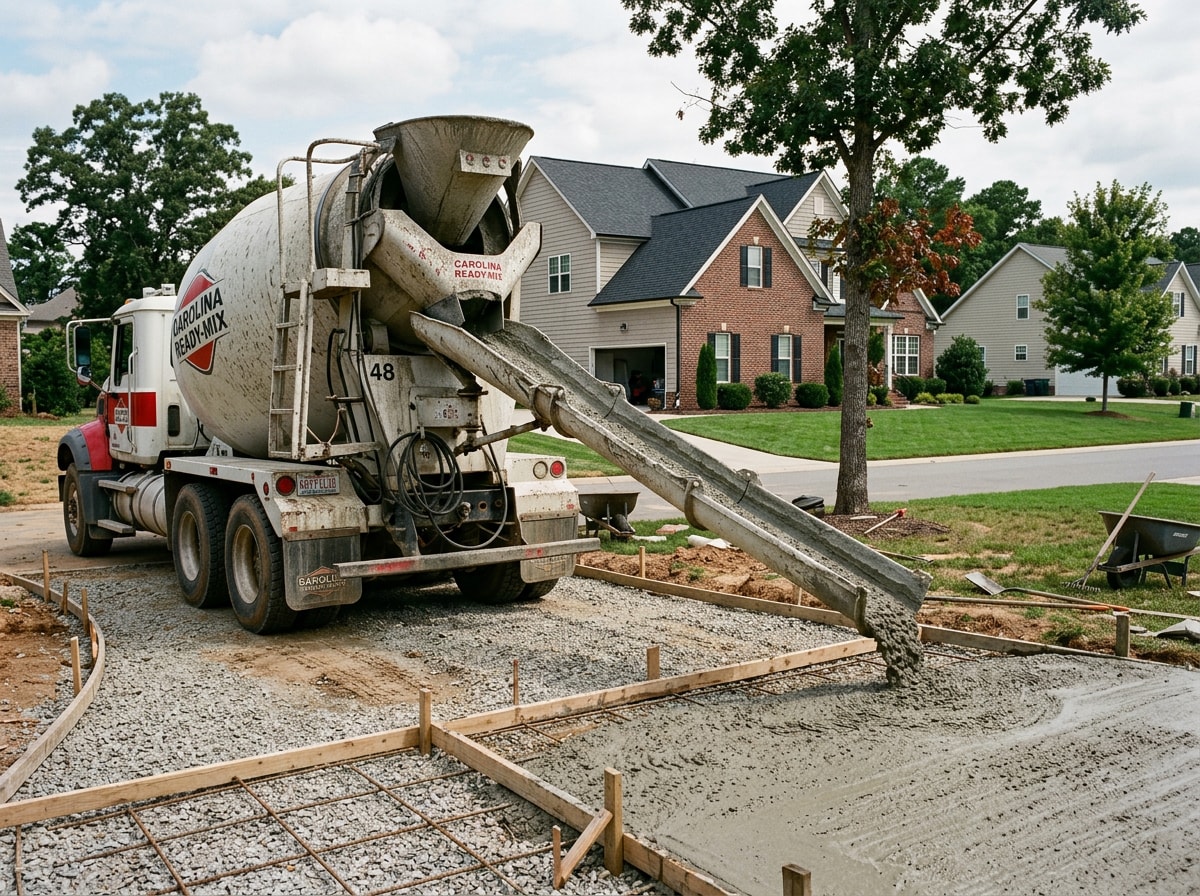
Mixer trucks come in rear discharge and front discharge configurations. A rear discharge truck needs a worker at the back to manage the chute and place the concrete. A front discharge truck lets the driver control the chute from inside the cab, which saves labor on small crews and keeps the operator close to the pour.
| Mixer Type | How It Discharges | Crew Needed | Best For |
|---|---|---|---|
| Rear-discharge | Chute at the back; truck backs toward the pour | Driver plus a spotter | Open lots, large-volume pours |
| Front-discharge | Chute at the front, controlled from the cab | Often driver alone | Tight residential lots, precise placement |
These aren't cheap pieces of equipment, which is part of why most residential crews order from a ready-mix supplier instead of running their own fleet. A new rear discharge mixer truck typically costs $150,000 to $250,000, and a front discharge unit runs $250,000 to $400,000 or more depending on the chassis and drum size. GPS dispatch keeps delivery on schedule, which matters because concrete starts setting once it's batched. A truck stuck in traffic can mean a cold joint or a rushed finish on your driveway. The National Ready Mixed Concrete Association sets the industry's technical standards for placement and handling, worth a look if you want the engineering detail behind why timing matters so much.
Piedmont Clay Changes How the Job Gets Built
This is the part most general concrete guides skip, and it's the reason a Greensboro-specific crew matters more than a national chain.
Much of the NC Piedmont has expansive red clay soil (Carolina red clay) that swells when wet and shrinks when dry. Without a proper compacted gravel base of at least 4 in., concrete slabs will crack or heave. On lots with poor drainage, 6 inches of base performs noticeably better than the 4-inch minimum.
Footings have their own rule. The NC Residential Code requires a minimum footing depth of just 12 inches below finished grade, far less than the 32 to 42 inches required in Midwest and northern states. That shallow requirement is a genuine cost advantage for North Carolina homeowners, but it only works if the compaction underneath is done correctly first.
In our own pours across Greensboro and the surrounding Piedmont, subgrade prep is where a rushed bid shows up first, usually by the following winter. A base that looks fine on a dry September afternoon can tell a different story after a wet spring.
For additions or outbuildings that need engineered footings rather than a simple slab, see our concrete footings and grading services pages.
What to Check Before You Hire a Concrete or Masonry Contractor
A written estimate should answer more than "how much." Before you sign, confirm:
- Licensing status.
Go to the North Carolina Licensing Board for General Contractors website at nclbgc.org and use the public licensee search tool. The board provides a public search that lets you look up any licensed general contractor in the state. You can run that check at the NC Licensing Board for General Contractors.
- Insurance and bonding. Ask for a certificate of insurance, not just a verbal confirmation.
- Base depth and reinforcement, spelled out in writing. A bid that skips subgrade prep and cure-time details is a red flag. A solid bid specifies base depth, reinforcement type, and warranty terms suited to Piedmont clay.
- Line-item pricing, not just a bottom-line number, so you can see what you're actually paying for.
If your project involves coordinating multiple trades, such as masonry veneer alongside a poured foundation, a general contractor can manage that handoff instead of you juggling two separate crews.
About Boswell Brothers Ltd.
Boswell Brothers Ltd. is a family-owned concrete and foundation contractor based in Liberty, NC, with a decade of hands-on experience in driveways, patios, slabs, and grading across the Piedmont. Our crew built its reputation on word-of-mouth referrals rather than a franchise name, which means the people quoting your job are the same people pouring it. Contact us to talk through your project, or visit our homepage to see the full range of services we handle.
We Serve Greensboro and the Piedmont Triad
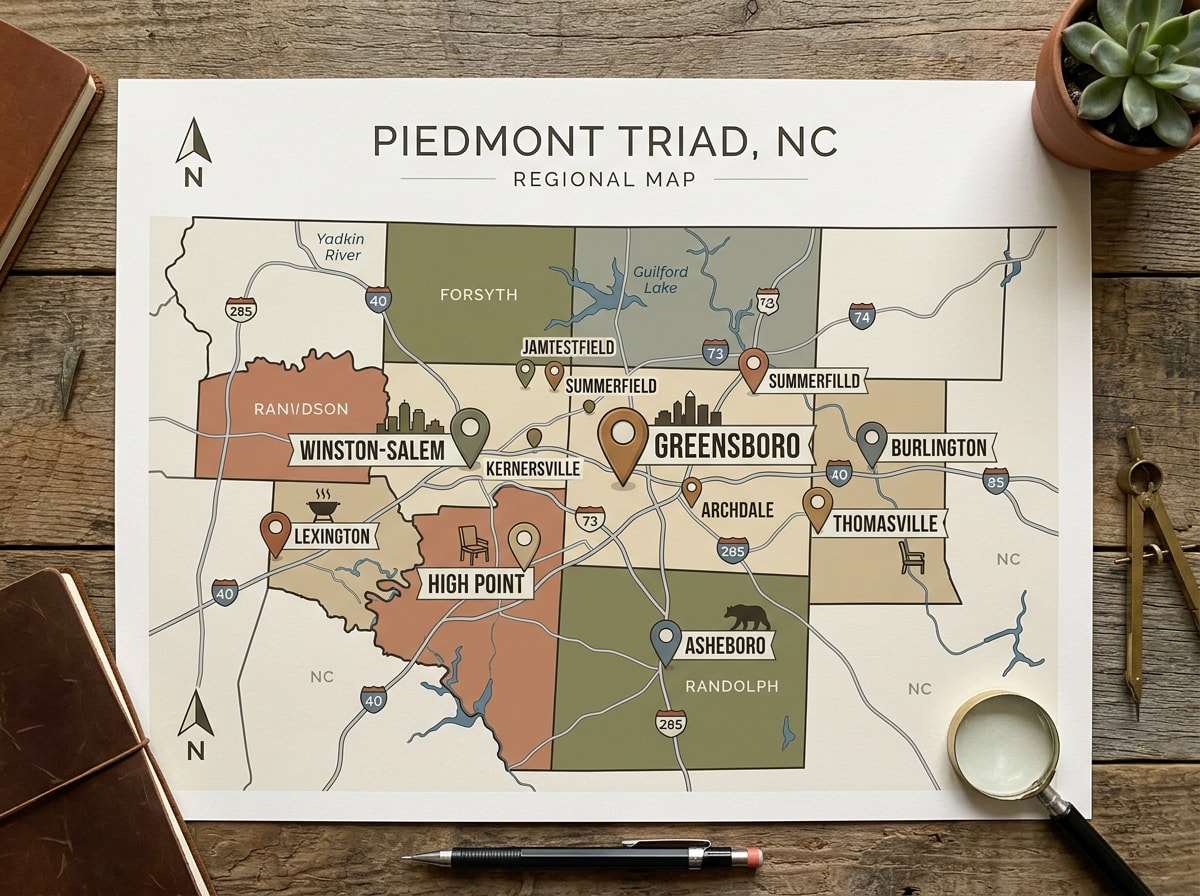
Soil and drainage conditions shift from one side of Guilford County to the other, so a crew that plans grading block by block matters more than it sounds. Beyond Greensboro, we regularly work in Chapel Hill, Burlington, Graham, Kernersville, Mebane, Stokesdale, and Liberty.
FAQ
What's the difference between masonry and concrete work in Greensboro, NC?
Masonry uses individual units, brick, block, or stone, set with mortar joints. Concrete is poured as one continuous material into forms. The two trades use different crews, tools, and repair methods, which is why they're priced and scheduled separately even on the same project.
How much does a yard of concrete cost in the Greensboro area?
Material pricing varies by mix design, reinforcement, and delivery distance from the plant, so there's no single accurate number without a site-specific quote. Get a written, line-item estimate rather than relying on a general online average.
What are the main types of concrete mixer trucks?
Rear-discharge trucks are the industry standard and need a second worker to guide the chute. Front-discharge trucks let the driver place concrete solo from the cab, which is useful on tight residential lots where maneuvering room is limited.
How deep do footings need to be in Greensboro because of frost and clay soil?
North Carolina's residential code sets a 12-inch minimum footing depth below finished grade, well shallower than northern states. That minimum only holds up if the compacted base beneath it is installed correctly on the area's expansive red clay.
How do I verify a concrete or masonry contractor's license in North Carolina?
Use the public search tool at the NC Licensing Board for General Contractors' website. It lets you look up any licensed general contractor in the state by name or license number before you sign a contract.
Do I need a permit for a driveway, patio, or slab in Greensboro?
Permit requirements depend on the project's size, location, and whether it ties into existing structures or utilities. Check with the Guilford County or City of Greensboro permitting office, or ask your contractor to confirm before work starts.