Masonry vs concrete Greensboro, NC homeowners debate most often comes down to one trade-off: flexibility versus speed. Masonry is built from individual brick, stone, or block units set in mortar, while concrete is a single poured material that cures as one solid mass. Both hold up in the Piedmont Triad's climate, but they fail differently, cost differently, and repair differently, so picking the wrong one for your project can get expensive fast.
This guide breaks down what separates the two materials, where each one wins locally, and how to match the right one to your budget, timeline, and soil conditions.
Masonry vs. Concrete: The Core Difference
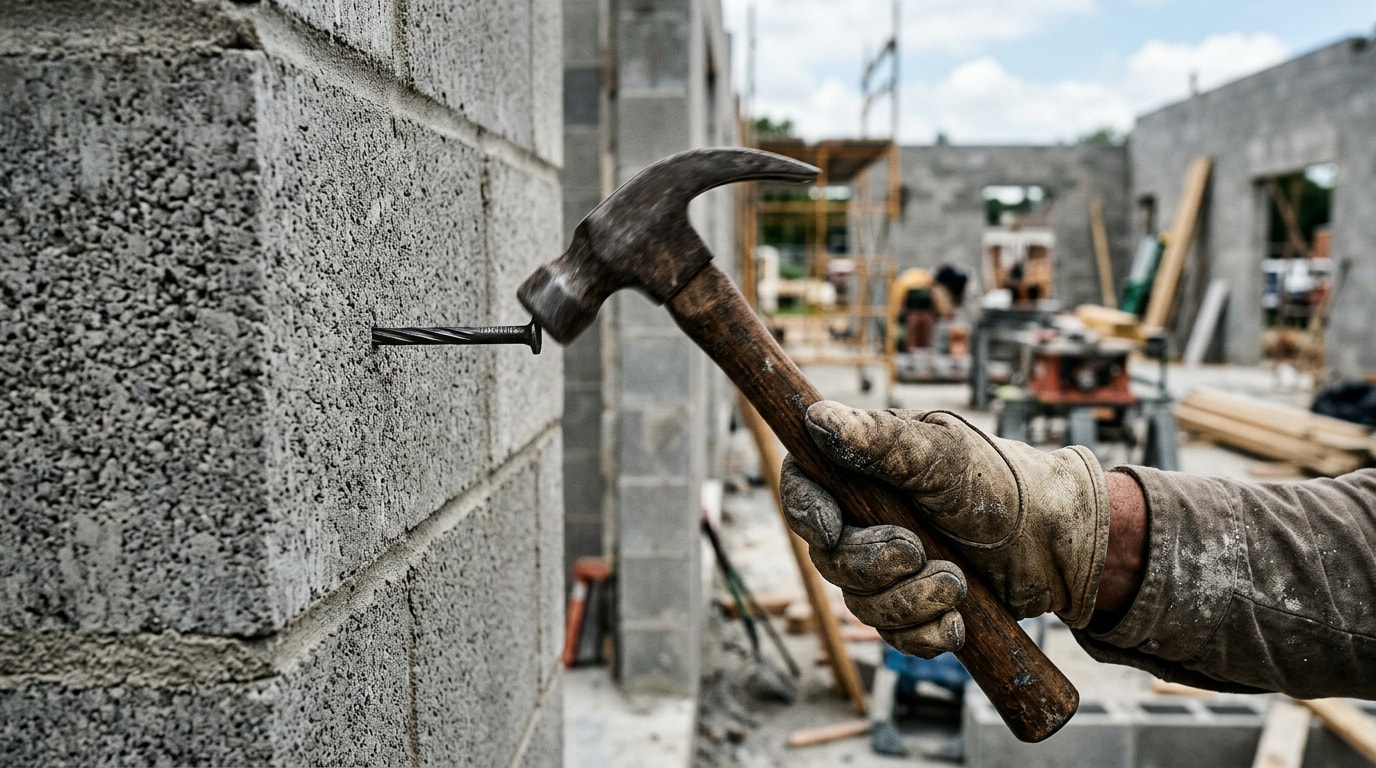
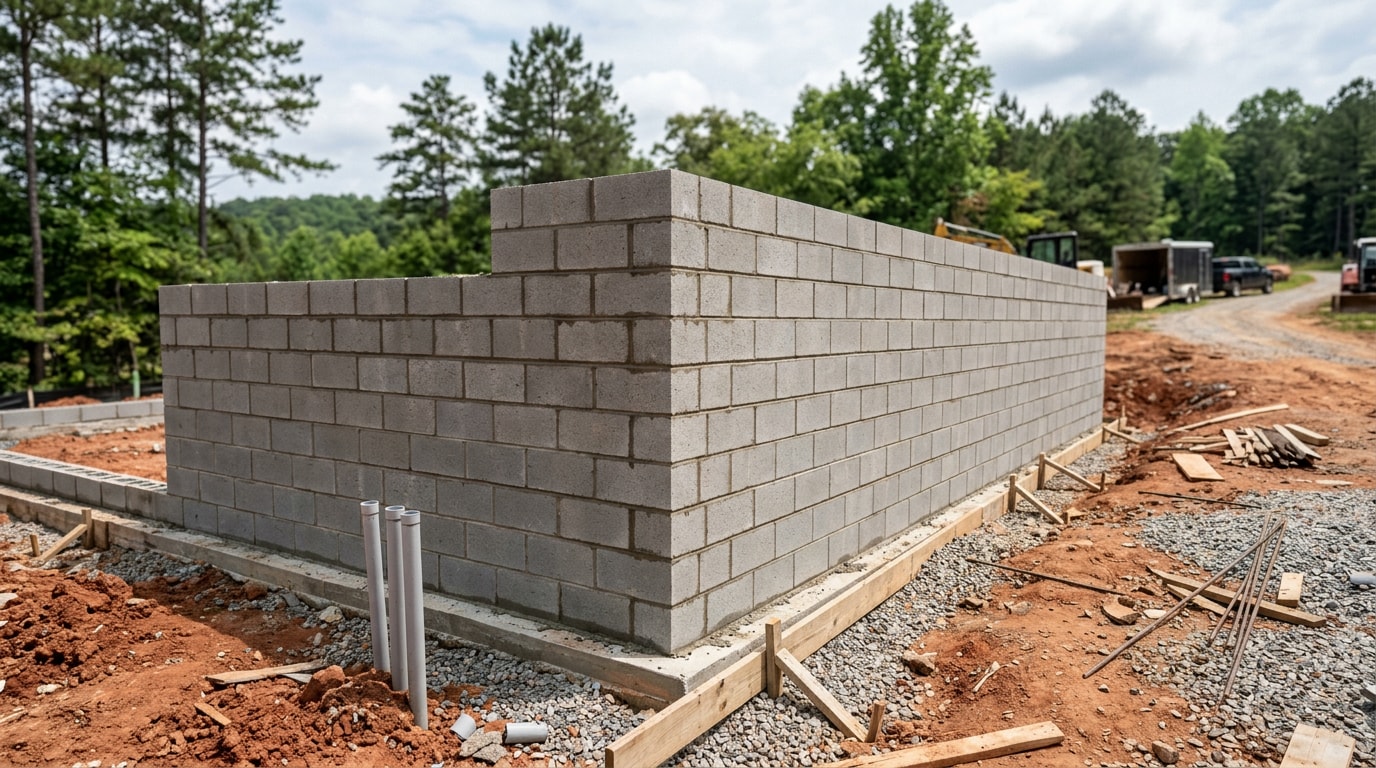
Masonry refers to construction built from individual units, brick, stone, or concrete block, set together with mortar. Concrete is a single poured or precast material made from cement, aggregate, and water. Confusingly, concrete block itself counts as a masonry material, which is why homeowners often mix up the two terms.
In Greensboro, that distinction matters because of how each material responds to clay-heavy soil and winter freeze-thaw cycles. Masonry walls use individual units, so mortar joints can flex slightly as the ground shifts. Poured concrete sets as one solid piece, which makes it strong under even loads but more prone to cracking when the soil beneath it moves unevenly.
Here's the quick breakdown:
| Factor | Masonry | Concrete |
|---|---|---|
| Composition | Brick, stone, or block + mortar | Cement, aggregate, water |
| Installation | Unit by unit, labor-intensive | Formed and poured, faster |
| Typical lifespan | 80-100+ years with repointing | 25-30 years before major repair |
| Repair method | Replace or repoint single units | Patch, resurface, or replace sections |
| Best for | Walls, foundations, facades | Driveways, patios, slabs, footings |
| Upfront cost | Higher per square foot | Lower for large flat areas |
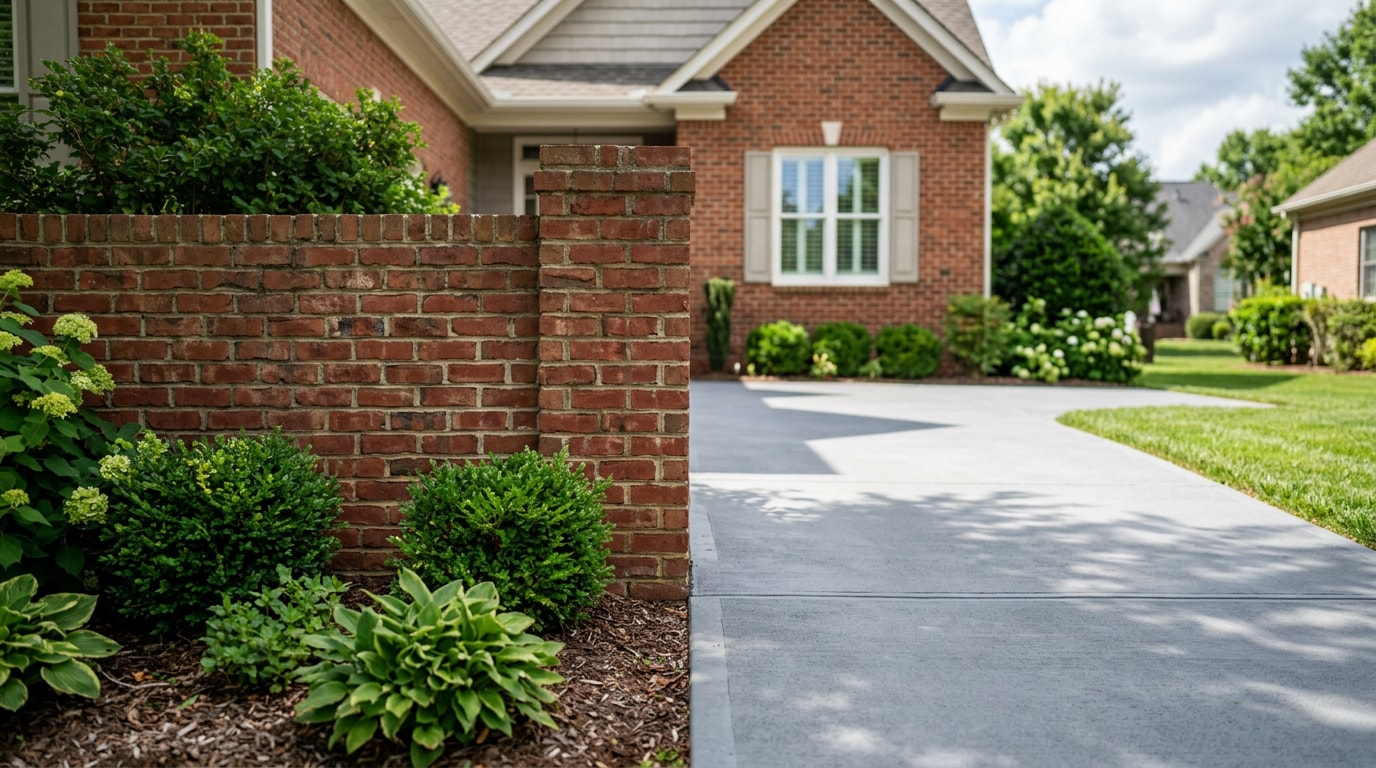
Homeowners in neighborhoods like Fisher Park or Sunset Hills often see both materials side by side, a brick foundation paired with a concrete driveway, for example. Understanding the difference upfront sets realistic expectations for maintenance and how long each surface will actually last.
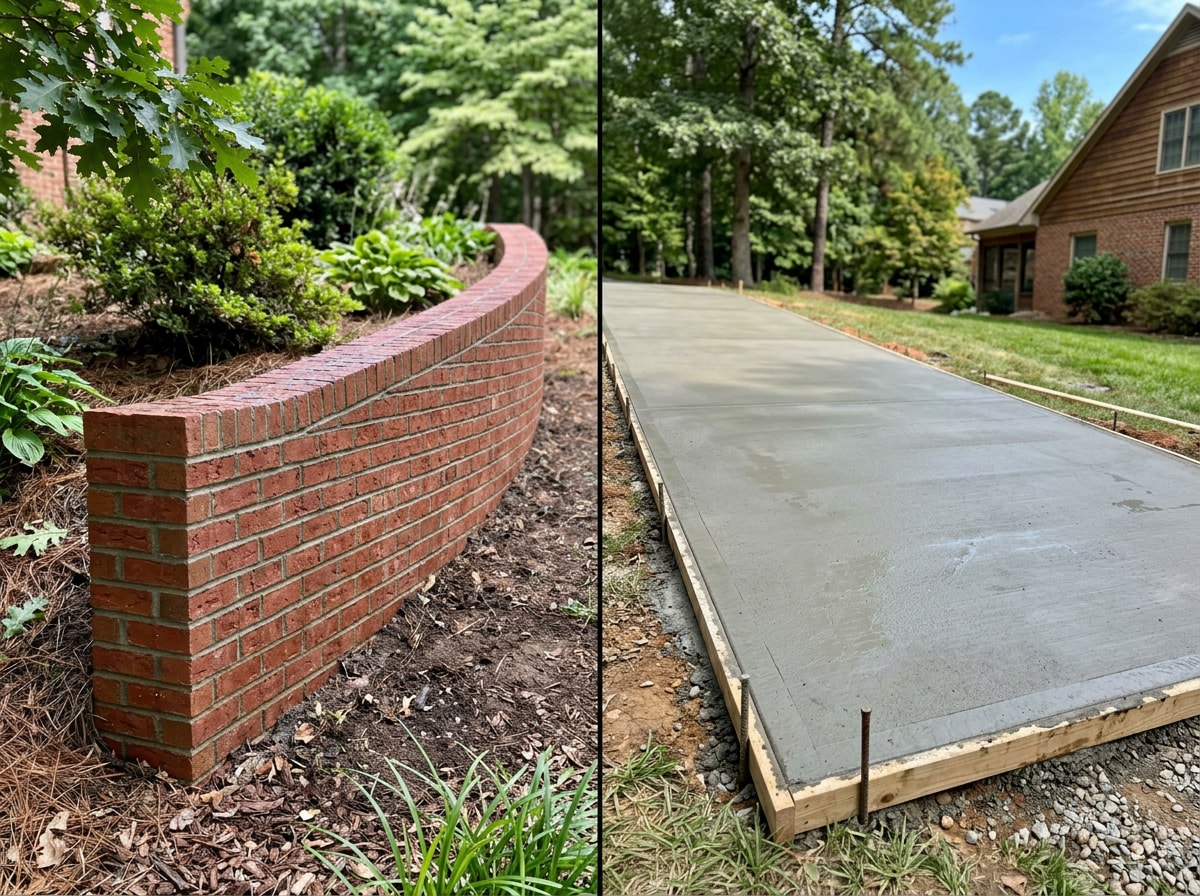
Benefits of Masonry Over Concrete
Masonry's biggest advantage is how it's fixed. If a single brick cracks or a mortar joint fails, a mason can replace that one unit or repoint the joint without touching the rest of the wall. Concrete doesn't offer that same flexibility.
A cracked slab usually needs:
- A larger surface patch
- Full resurfacing
- In worse cases, a complete section replacement
Each of those options tends to cost more per repair than a masonry touch-up.
Masonry also carries real aesthetic weight in Greensboro. Historic brick homes in Fisher Park, College Hill, and Aycock are part of what gives those neighborhoods their character, and many homeowners renovating older properties want new additions to match that brick-and-stone look. Beyond style, brick and stone construction holds up for decades when joints are maintained, with a texture poured concrete can't quite replicate on a facade.
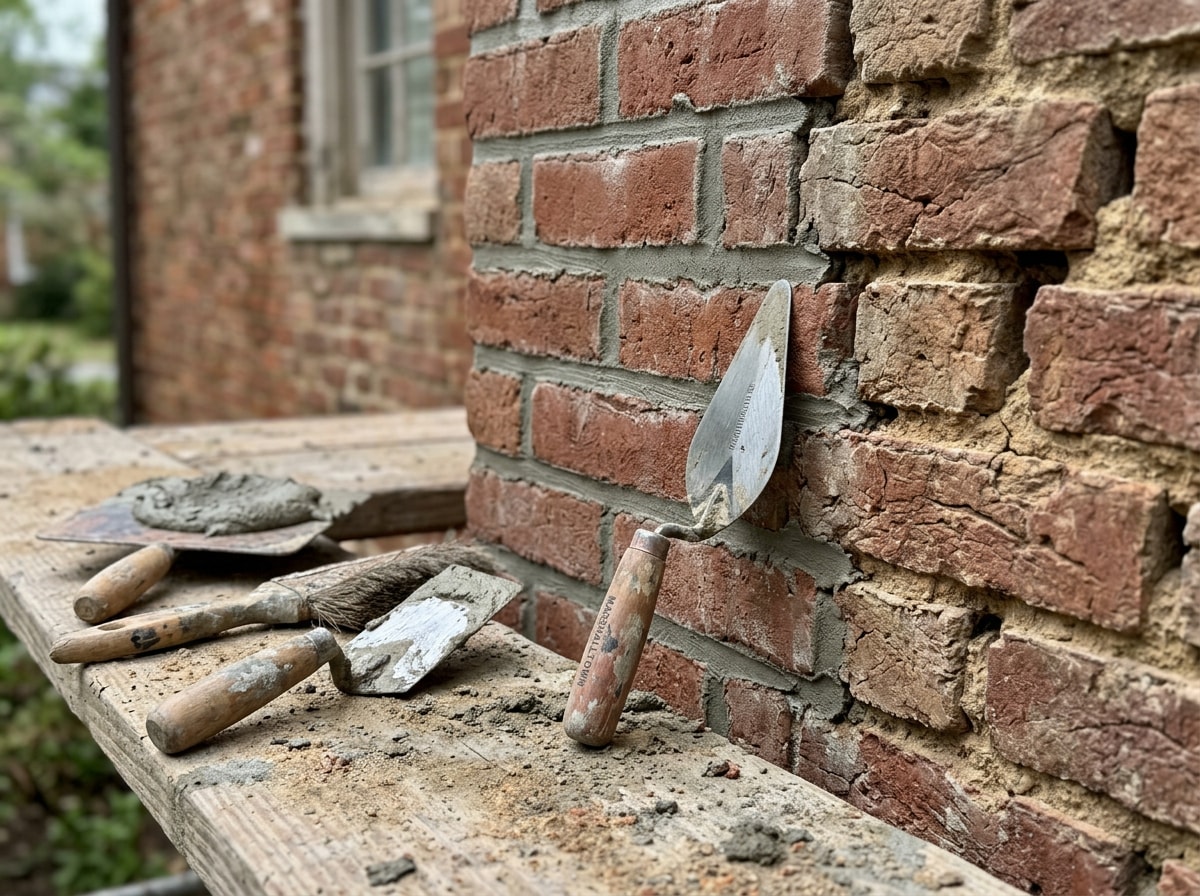
Benefits of Concrete Over Masonry
Concrete earns its popularity through speed and scale. Pouring a driveway, patio, or foundation slab takes a fraction of the time that laying brick or block unit by unit requires, which usually translates into lower labor costs for large, flat surfaces. A crew can often form, pour, and finish a standard concrete driveway in a day or two, a timeline masonry work rarely matches.
Concrete has also caught up on style. Stamped concrete can mimic the look of brick, slate, or natural stone at a lower material cost, giving homeowners design flexibility without the price tag of real stone. That said, decorative finishes like stamping, staining, or exposed aggregate add to the base installation cost, so it's worth comparing a few quotes before assuming concrete is automatically the cheaper dressed-up option.
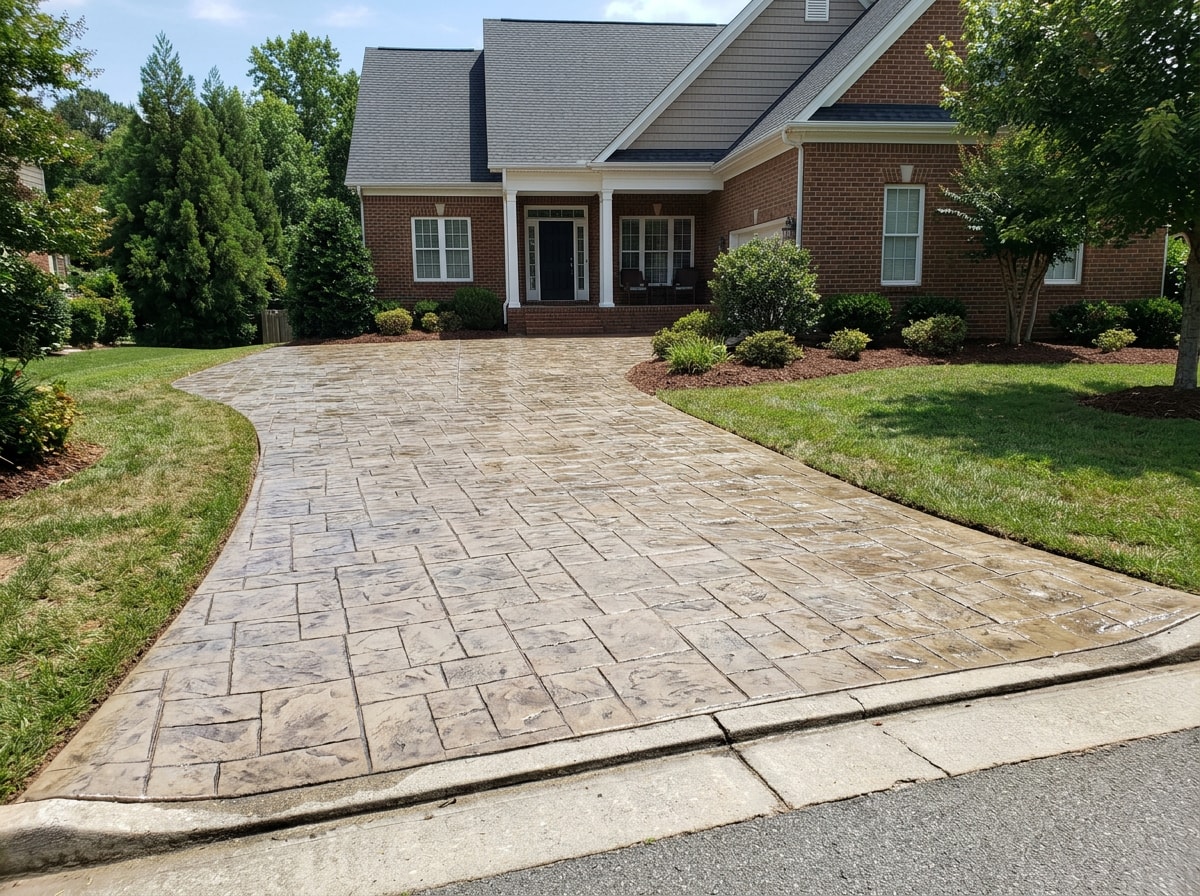
Durability: How Each Material Handles Greensboro's Climate
Masonry and concrete can both last decades, but they age differently under Piedmont Triad weather. Well-built brick or block walls commonly last 80 to 100 years or more with periodic repointing, since individual units and mortar joints absorb minor ground movement without cracking the whole structure. Poured concrete driveways and slabs typically hold up for 25 to 30 years before major cracking or surface wear sets in, though that range shortens where drainage is poor.
Freeze-thaw cycling is the bigger local wildcard. Water that seeps into small cracks, freezes, and expands gradually weakens concrete and masonry alike if it wasn't finished, sealed, or air-entrained correctly. Industry test standards like ASTM C1262 and C1645, referenced by the Concrete Masonry & Hardscapes Association in its freeze-thaw durability guidance, measure exactly this kind of weight loss over repeated freeze cycles, which is the same failure mode you see in a Greensboro driveway after a hard winter.
In our 10 years pouring driveways and repairing masonry across Greensboro, we've seen brick foundations from the 1920s still standing solid while the concrete sidewalk poured next to them 20 years ago needed replacing. That's not a knock on concrete, it's just a reminder that the two materials wear out on very different timelines.

Cost Considerations
Cost is rarely a simple apples-to-apples comparison.
| Cost factor | Masonry | Concrete |
|---|---|---|
| Labor | Higher, skilled trade, slower install | Lower, faster install |
| Material | Varies by brick/stone source | Fairly consistent by mix design |
| Decorative upgrades | Built into the unit cost | Stamping/staining adds to base price |
| Long-term repair cost | Lower per repair (repointing) | Higher per repair (patch/resurface) |
| Best value horizon | 15-20+ years | Shorter-term projects, large flat areas |
Masonry cost tends to run higher upfront per square foot because laying brick or block by hand is labor-intensive and requires skilled masons, especially for detailed patterns or historic matching. Poured concrete is usually cheaper to install for large flat areas since fewer labor-hours go into forming and pouring a slab versus setting individual units.
Finishing options shift that math. Standard broom-finished concrete stays budget-friendly, but stamped or colored concrete narrows the gap with brick once those decorative steps get added in. Pricing for both materials also varies by contractor availability and project scope, so getting a couple of local quotes is the most reliable way to know current numbers. You can request pricing details through our contact page for a faster estimate.
Long-term maintenance cost deserves equal weight. Masonry's occasional repointing is usually cheaper per repair than resurfacing or replacing sections of a failing driveway, which can make masonry more economical over a 15- to 20-year horizon even with a higher starting price.
Environmental Impact and Sustainability
Both materials carry an environmental footprint worth understanding before you build. Cement production is one of the larger industrial sources of embodied carbon, since manufacturing it requires heating limestone to very high temperatures. According to EPA data, cement manufacturing emissions represent roughly 10% of the industrial sector's direct reported greenhouse gas emissions, which is why the industry has shifted toward blended, lower-carbon cement types in recent years.
Masonry has its own upsides here. Reclaimed brick is widely available in Greensboro given the area's stock of older homes, and reusing it skips the energy cost of firing new units entirely. On the concrete side, some Triad-area suppliers now offer lower-carbon mixes that substitute fly ash, slag, or limestone for a portion of the cement, cutting embodied carbon without sacrificing strength. Neither option is automatically the greener choice, but homeowners now have real options on both sides.
How to Choose the Right Material for Your Project
The right choice usually comes down to four questions:
- What are you building?
- What does your budget allow?
- How soon do you need it finished?
- What does Greensboro's building code require for that structure?
A retaining wall holding back sloped, clay-heavy soil often calls for masonry's flexibility, while a new driveway or patio is frequently a better fit for poured concrete's speed and lower upfront cost. Weighing masonry vs concrete Greensboro, NC projects this way keeps the decision grounded in the actual job rather than a general preference.
Permitting matters too. The City of Greensboro requires a building permit for most construction, reconstruction, or structural alteration work, and retaining walls above a certain height typically need engineered plans regardless of which material you choose. Confirm that any contractor you hire carries proper licensing and insurance for the material and scope of your project.
If you're planning a mixed-material project, like a masonry retaining wall next to a new concrete patio, a general contractor can coordinate both trades so the timelines and grading work line up. For foundation-level decisions, our foundation repair team can also tell you whether an existing masonry foundation needs attention before you pour anything new next to it. We cover the question of overlap between the two materials in more detail in our guide on whether masonry includes concrete, which is worth a read if you're still untangling the terminology.
Ready to compare options for your property? Visit our Greensboro, NC service area page to see recent local work, or head to our homepage to browse the full range of concrete and masonry services we offer across the Triad.
FAQ
Is concrete the same as masonry?
No. Concrete is a single poured or precast material made from cement, aggregate, and water, while masonry is a broader construction method using individual units, including brick, stone, and concrete block, joined with mortar. Concrete block is a type of masonry unit, which is why the two terms often get confused.
Which is stronger, masonry or concrete?
Reinforced concrete generally has higher tensile and overall structural strength, especially with steel rebar added. Masonry is strong under compression but weaker in tension, which is why it's typically used for walls and facades rather than load-bearing slabs or structural beams.
Is masonry more expensive than concrete?
Yes, in most cases. Masonry installation costs more upfront per square foot because laying individual units by hand is slower and requires skilled labor. Concrete is usually cheaper to install for large flat areas like driveways and patios, though decorative finishes narrow that gap.
What are the disadvantages of masonry walls?
Masonry installation is labor-intensive and requires skilled masons, which raises upfront cost compared to poured concrete. Mortar joints also need periodic repointing over the decades, and maintenance can become costly if moisture gets behind the wall without proper flashing or drainage.
Why use bricks instead of concrete?
Brick offers historic character that matches Greensboro's older neighborhoods, along with easier partial repairs and better thermal mass than a poured slab. Many homeowners also prefer brick's texture and the fact that individual units can be swapped without disturbing the whole wall.
What is the enemy of concrete?
Moisture is concrete's biggest enemy, especially when combined with freeze-thaw cycling and de-icing salts. Water that seeps into small cracks expands when it freezes, gradually widening those cracks and accelerating deterioration over time. Proper sealing and drainage at install time are the best defense against this.
---
About the author: This guide was prepared by the team at Boswell Brothers of NC, a family-owned concrete and foundation contractor based in Liberty, NC, with 10 years of hands-on experience pouring driveways, patios, slabs, and foundations and repairing masonry across Greensboro and the surrounding Piedmont Triad. Questions about your specific project? Contact our team for a free, no-pressure estimate.