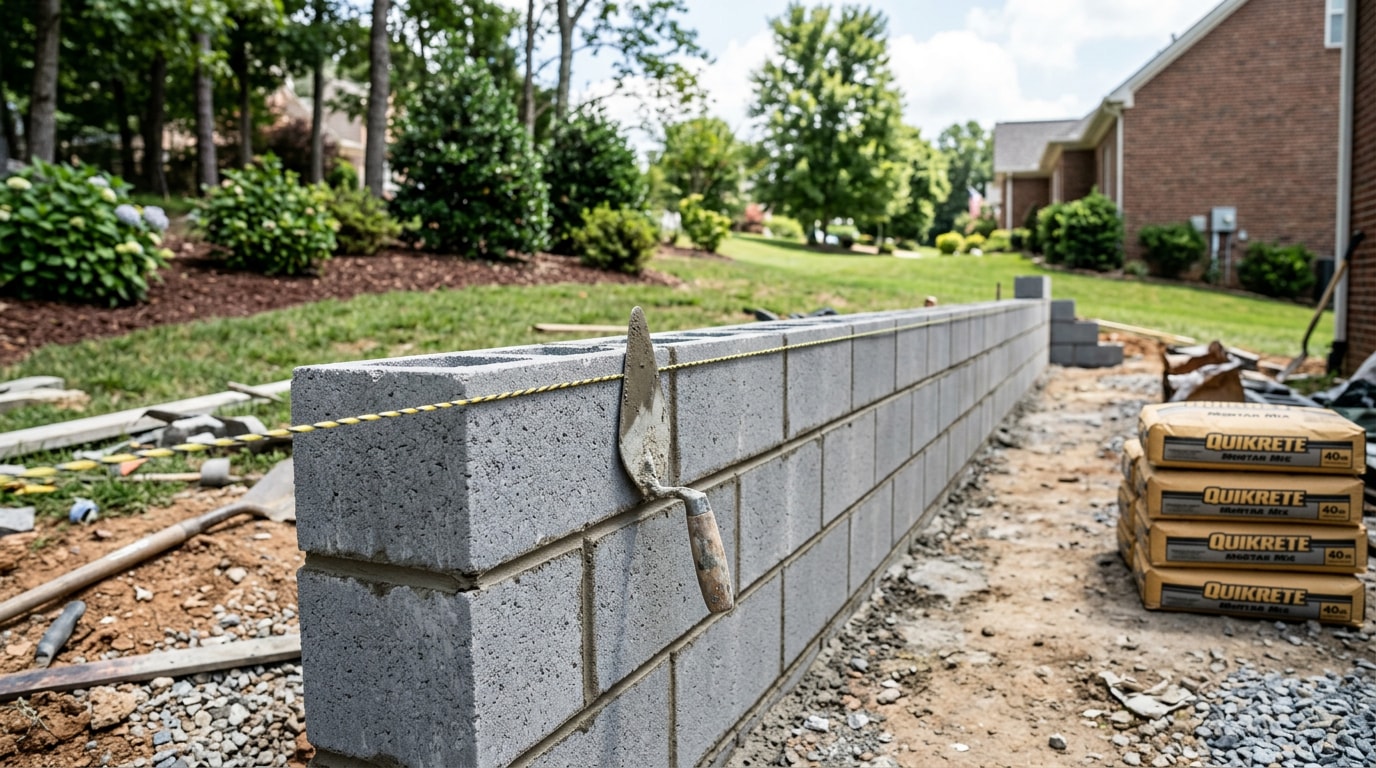
Mortar for cinder blocks in Chapel Hill, NC isn't one-size-fits-all: the type that holds up on a garden wall will crack under a load-bearing foundation. Pick wrong and you're re-pointing joints within a few winters. Here's exactly which mix to use, how to mix it, and how much to buy.
Which Mortar Type Do Cinder Blocks in Chapel Hill Need?
The right mortar depends on load, grade, and exposure, not personal preference. ASTM C270 sets the national benchmark that nearly every bagged mortar product is built around.
Type N mortar is a medium-strength mortar with a 28-day compressive strength value of 750 psi and is used for exterior walls and above-grade walls exposed to severe weather conditions.
Type S mortar is the choice for projects at or below grade, providing an overall compressive strength of 1,800 psi with higher tensile and bonding strength. Type M, the strongest common mix at roughly 2,500 psi, is reserved for foundations and heavy structural loads.
| Type | Approx. Strength | Best For |
|---|---|---|
| N | 750 psi | Above-grade veneer, garden walls, non-load-bearing CMU |
| S | 1,800 psi | Load-bearing walls, retaining walls, exterior exposure |
| M | 2,500 psi | Foundations, below-grade and heavy structural loads |
Building codes generally specify mortar types as referenced in ASTM C270, and Types M, S, and N are typically required by building codes , per the Concrete Masonry & Hardscapes Association's technical guidance on mortar for concrete masonry. That matters locally: Orange County's expansive clay and the grading on many Chapel Hill lots push a lot of "simple" block walls into retaining or below-grade territory, where N no longer qualifies.
Mortar isn't limited to standard gray, either. Pigmented, pre-blended options are available for retaining walls or exposed veneer where appearance matters, and most suppliers let you order colored mortar by specifying a standard chip or custom blend ahead of delivery.
Why Grade and Soil Matter More Than Most Guides Admit
Here's the detail most generic mortar calculators skip entirely: North Carolina's own residential building code dictates mortar type for engineered foundation walls, not just manufacturer recommendation. For masonry foundation walls designed under the state's prescriptive tables, mortar shall be Type M or S and masonry shall be laid in running bond , per the 2024 NC Residential Code foundation provisions. Type N simply isn't permitted on those walls, regardless of what's sitting on the shelf at the supply yard.
On our crews' jobsites across Orange County, that's the single most common mistake we catch on DIY retaining walls and crawlspace additions: homeowners buy Type N because it's the cheapest bag on the pallet, then have to tear out and repoint once an inspector flags it. If your wall holds back soil, supports a structure, or sits below grade, default to Type S and confirm with your local inspector before you mix a single bag.
How to Mix and Install Mortar for Cinder Block Walls
Getting good results depends on more than picking the right type. Product quality, technique, and mixing consistency all matter just as much.
Tools and Equipment
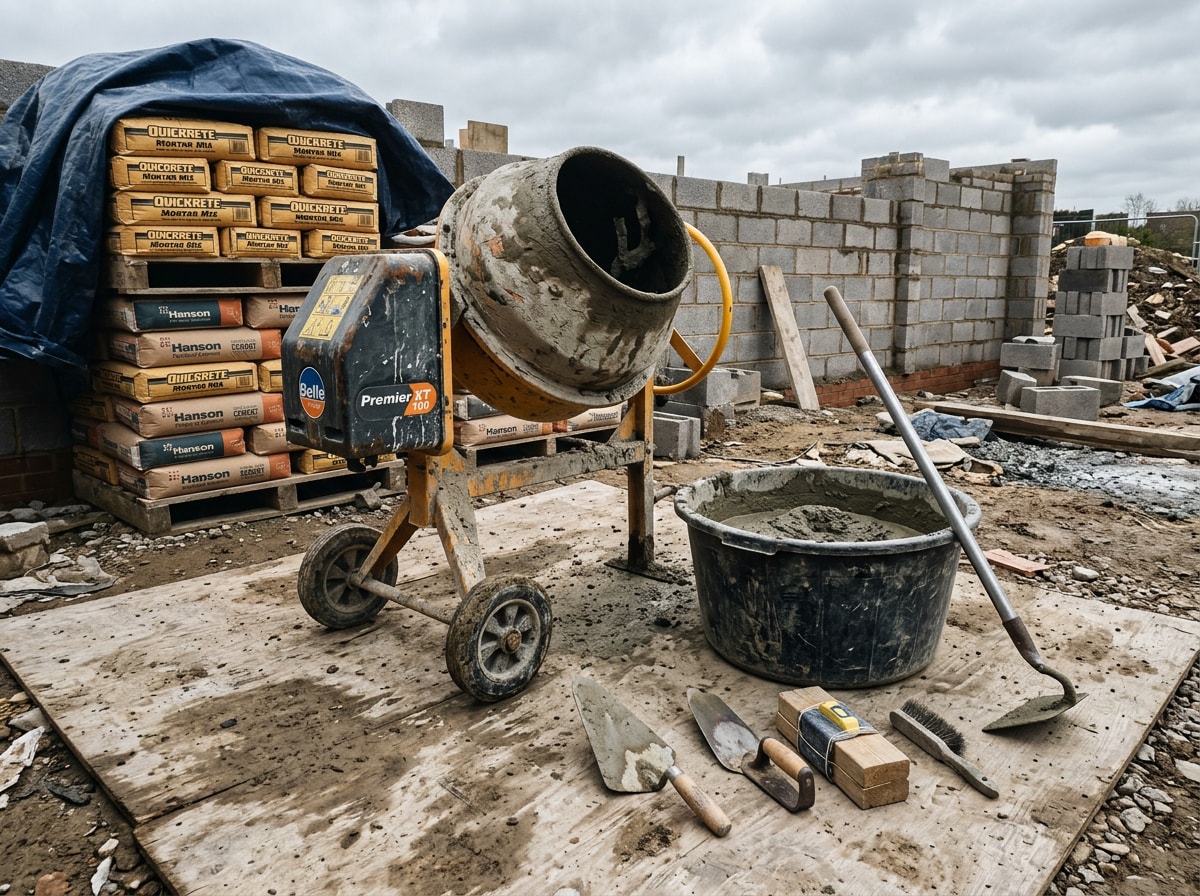
Most mortar comes in 80 lb bags. Round out your setup with:
- Mortar mixer (for larger jobs) or a mixing tub and hoe (for smaller ones)
- Brick trowel and pointing trowel
- Jointer for tooling joints
- Mason's line and line blocks for straight, level courses
- Wheelbarrow and a water source on-site
Mixing Instructions
Each 80 lb bag of standard mortar mix will lay up to 37 standard bricks or 13 standard 8 in by 8 in by 16 in blocks , according to Quikrete's own mortar mix technical data sheet. That's tighter than the vague "12 to 15" range floating around most buying guides, so budget bags accordingly rather than rounding down.
For water:
- Add water gradually to the dry mix in a tub or mixer.
Keep total water below roughly 6 quarts per 80 lb bag ; adding more weakens the cured mortar and increases shrinkage.
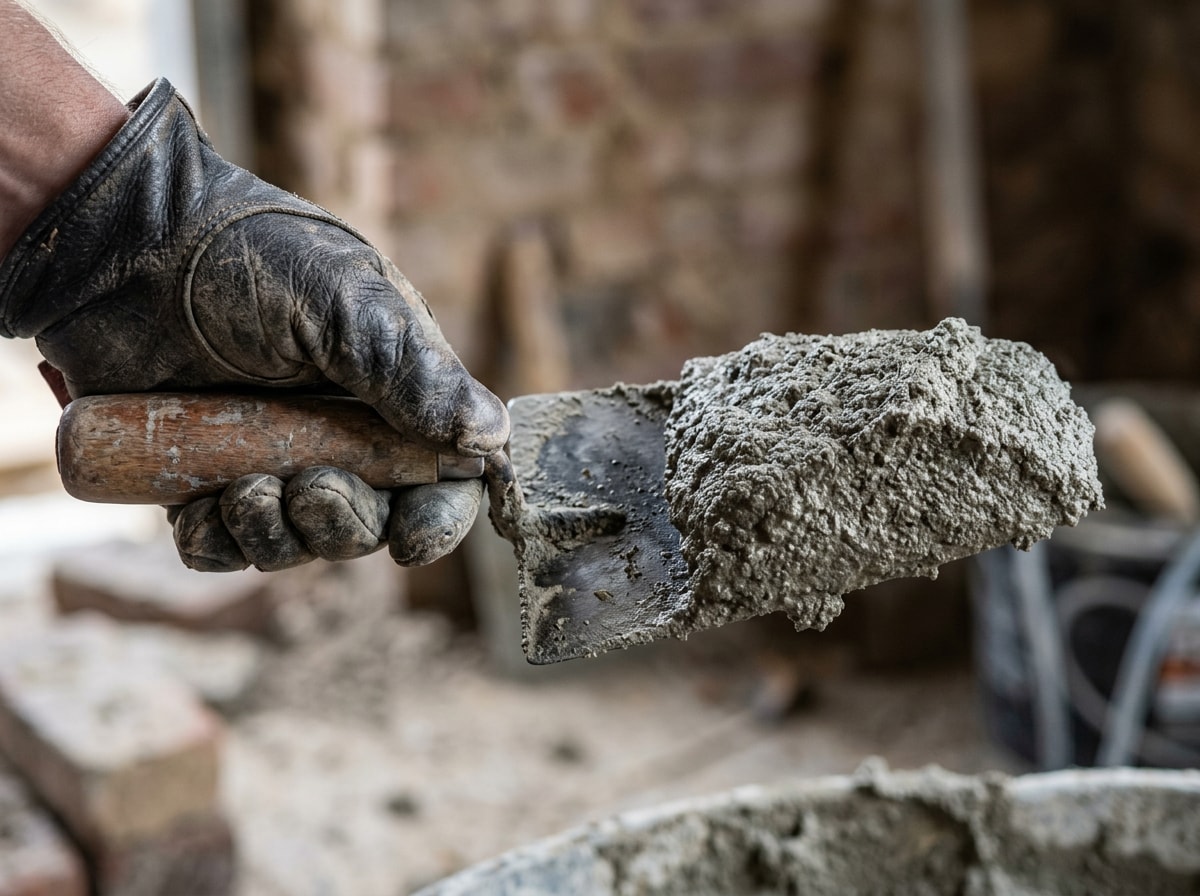
- Mix until the batch holds its shape on a trowel without slumping.
- Let it rest briefly, then re-temper with a small splash of water if it stiffens before you've used it.
Installation and Application
Apply mortar in a workable bed, furrow it lightly, and tool joints once the mortar has thumb-printed firm. In the Piedmont's humid summers, work in smaller batches since open time shortens fast in heat; cooler, damp fall days extend your working window considerably. Avoid laying block mortar in freezing or heavy rain conditions, both of which weaken the bond before it cures.
If you'd rather hand this off to a crew that mixes mortar daily instead of once a season, get a free estimate from Boswell Brothers of NC before you buy a single bag.
How Much Mortar Do You Need?
Use this as a rough planning table, then confirm against the manufacturer's spec sheet for your exact product and joint thickness.
| Number of 8x8x16 Blocks | 80 lb Bags (approx.) |
|---|---|
| 25 | 2 |
| 50 | 4 |
| 100 | 8 |
| 250 | 19-20 |
Joint thickness, block face-shell size, and how much mortar falls off the trowel during buttering all shift these numbers. Order 10 to 15% extra to cover spillage and tooling waste.
Where to Buy Cinder Blocks and Mortar in Chapel Hill, NC
Local suppliers in the Chapel Hill area typically stock standard CMU, lightweight block, and both residential- and commercial-grade concrete masonry units alongside name-brand mortar lines. Standard block suits most home projects, while commercial-grade CMU is rated for heavier structural and fire-code applications. If you're still sizing out a wall, our Concrete Masonry Units in Chapel Hill, NC guide breaks down CMU dimensions and typical project costs before you order block or mortar.
For footings and below-grade work that needs engineered mortar and reinforcement, our concrete footings service covers the structural side, and we serve homeowners and builders throughout Chapel Hill, NC directly. Start at our homepage to see the full range of concrete and masonry work we handle across the Triangle and Piedmont.
FAQ
What mortar do I use for a cinder block wall?
Type N works for most above-grade, non-load-bearing residential walls. Switch to Type S for anything load-bearing, exterior, or below grade, and confirm against local code before mixing.
What is the best mortar mix for laying concrete block?
Type S is the safer default for standard block-laying because it covers both above- and below-grade use and meets NC's Type M/S requirement for designed foundation walls. Reserve Type M for heavy structural or fully below-grade applications only.
How many blocks will an 80 lb bag of mortar hold?
Quikrete's data sheet lists up to 13 standard 8x8x16 blocks per 80 lb bag of mortar mix. Coverage drops with thicker joints or full-bed (rather than face-shell) application, so check your product's spec sheet for an exact yield.
What's the difference between mortar and concrete for block work?
Mortar bonds blocks together in the joints and contains no coarse aggregate, while concrete is poured into forms or block cores and includes gravel for structural bulk. Never substitute straight concrete mix for mortar in joint work; it won't trowel or bond the same way.
Can you lay cinder block mortar in cold or rainy weather?
Avoid it. Freezing temperatures and heavy rain both weaken the cure before the mortar sets. Plan block work for dry days above roughly 40°F, and cover fresh joints if a surprise shower rolls through.
Do I need Type S mortar below grade in Chapel Hill?
Yes, for engineered or code-governed foundation and retaining walls. Mortar shall be Type M or S on NC's prescriptive masonry foundation walls, so Type N doesn't meet code on those applications even if it's cheaper at the supply yard.
Ready to skip the trial and error? Get a free estimate from Boswell Brothers of NC and get your cinder block project built right the first time.